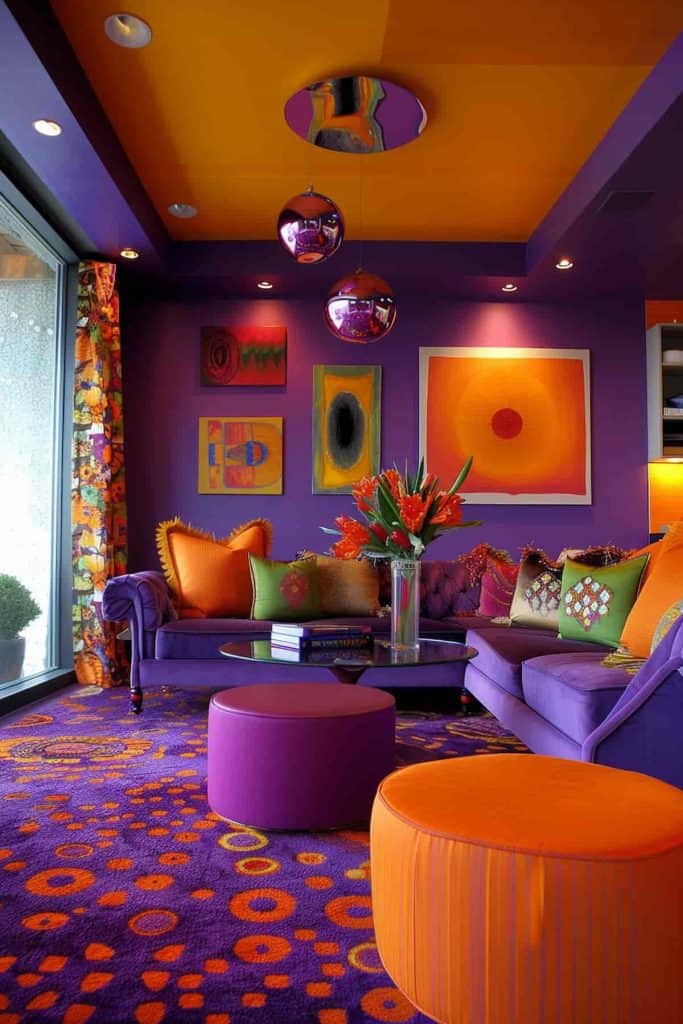
19 Gothic Living Room Ideas for a Bold and Enchanting Home

If your soul leans toward the mysterious and romantic, then a gothic living room might be exactly what your home needs. Rich colors, intricate details, and a dramatic flair come together to create a space that’s equal parts cozy and captivating.
Whether you’re into vintage Victorian vibes or prefer a sleek modern twist on gothic aesthetics, this list of 19 gothic living room ideas will help you transform your space into a dark and dreamy retreat.
Let’s explore ten inspiring ways to bring gothic elegance into your living room.
Moody Color Palette
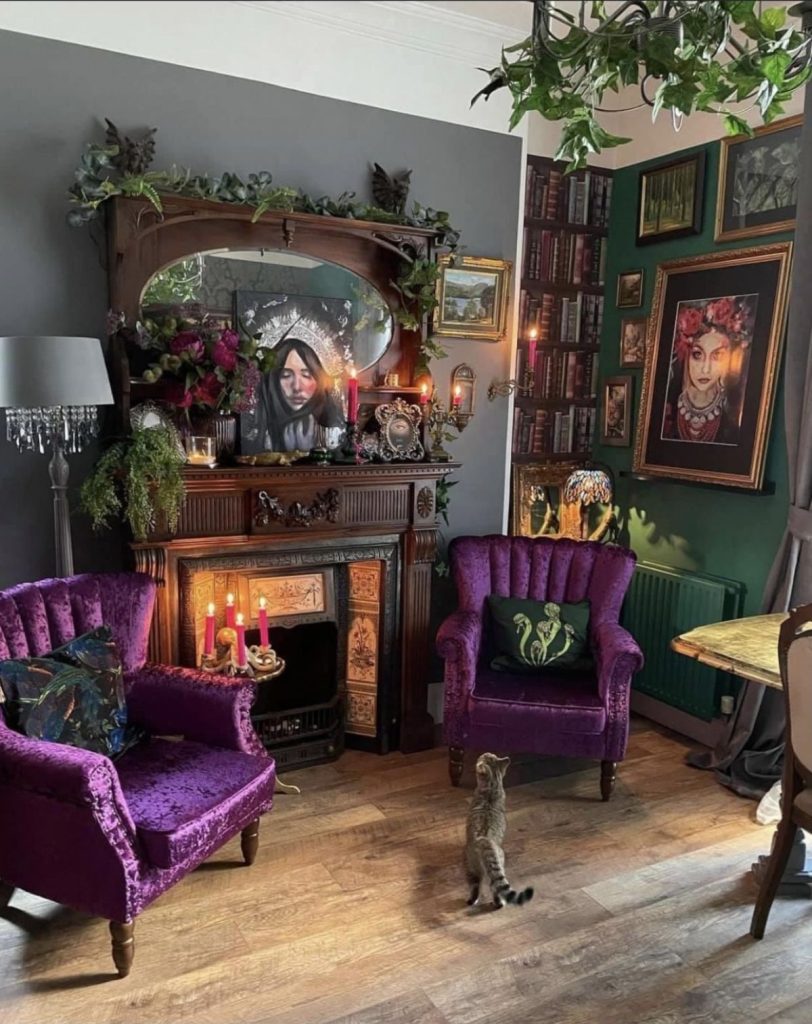
One of the first and most essential steps to creating a gothic living room is choosing the right color scheme. Think deep, rich hues like midnight black, charcoal gray, burgundy, forest green, and plum. These tones instantly infuse your space with drama and sophistication.
Dark walls can create a cozy, cave-like atmosphere that enhances the gothic aesthetic. Consider matte or velvet-textured paints for added depth. If painting an entire room feels overwhelming, opt for a feature wall in a bold, moody color and pair it with more neutral tones.
Layer your dark walls with matching furniture and textiles. A black velvet sofa or burgundy tufted armchair fits right in. Accentuate with gold-framed mirrors, dark wood furniture, and shadowy drapes to complete the ambiance.
For balance, incorporate some softer lighting—like flickering candlelight or a chandelier—to keep the room from feeling too heavy. Gothic doesn’t have to mean gloomy; it’s all about atmosphere and elegance.
Vintage-Inspired Furniture
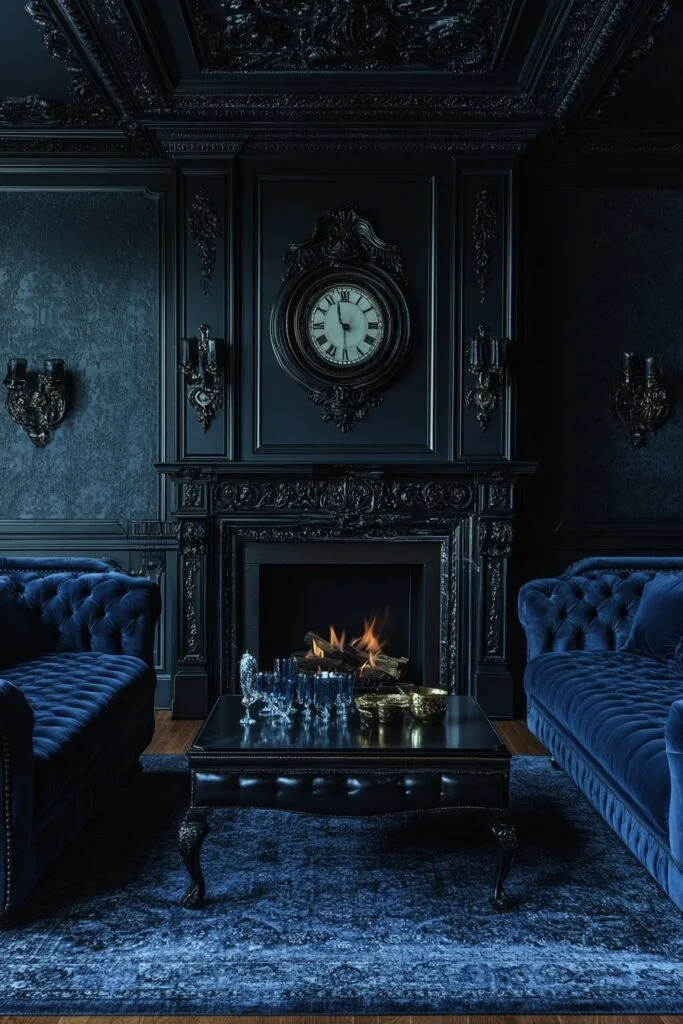
Gothic interiors shine when filled with furniture that has history and character. Vintage-inspired pieces, particularly those with carved wood detailing and antique finishes, set the tone beautifully.
Look for Victorian-style chairs with high backs, claw-foot coffee tables, and distressed sideboards in dark wood tones. These elements not only nod to the romanticism of the gothic era but also bring a sense of luxury to your living room.
Incorporate a mix of textures—velvet upholstery, leather accents, and aged metals all contribute to that lived-in, mysterious vibe. Don’t be afraid to browse antique stores or estate sales for one-of-a-kind treasures. Each piece should feel intentional, curated, and full of soul.
Modern gothic styles also work well with eclectic touches, so blend older pieces with newer finds that match the mood. The goal is a room that feels timeless, a little bit moody, and effortlessly stylish.
Dramatic Drapery
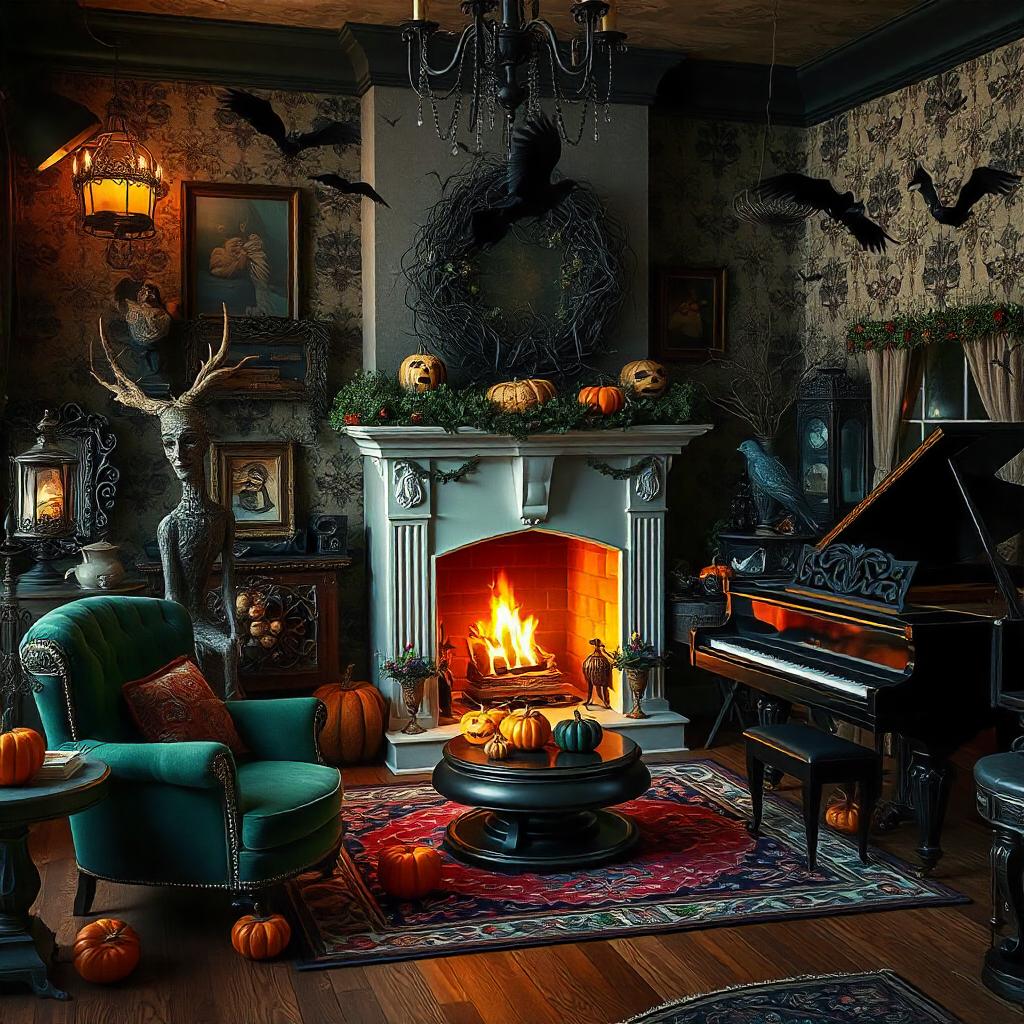
Nothing transforms a space quite like curtains, and in a gothic living room, the right drapery can make all the difference. Heavy, floor-length drapes in velvet or brocade fabrics instantly add drama and depth.
Choose deep colors—black, deep red, or eggplant purple—for that rich, moody effect. Tassels, fringe, and ornate tiebacks contribute even more old-world flair. These details bring a soft texture that balances out dark woods and metal elements elsewhere in the room.
Layering is key. Consider using sheer lace curtains beneath heavier drapes to allow a bit of light to filter in while maintaining privacy and mystery. When open, they should pool elegantly on the floor, adding to the luxe feel of the room.
Drapes also help soften acoustics, making the space feel cozier and more intimate—a must for any gothic retreat. Your windows are more than just openings; with the right treatment, they become focal points of your decor.
Gothic Gallery Wall
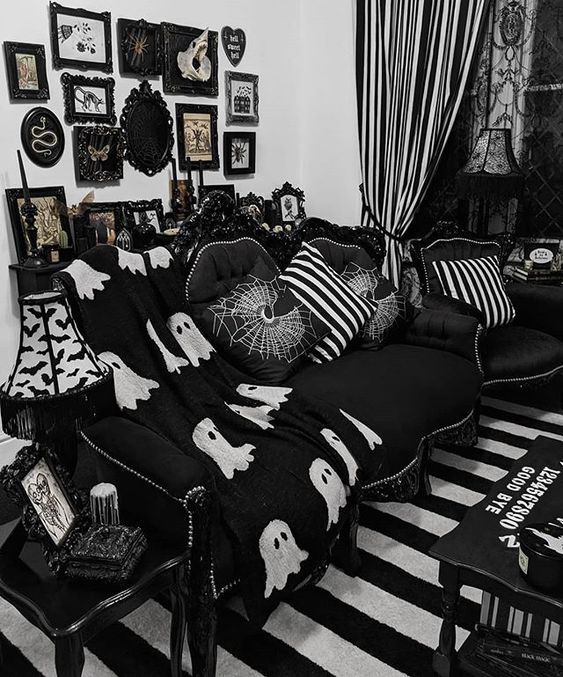
A gallery wall is a great way to personalize your gothic living room, especially when filled with moody art, antique portraits, and ornate frames. This setup can be as curated or eclectic as you like—what matters most is the atmosphere it creates.
Start with a bold background wall in a rich hue or textured wallpaper. Then build your collection with vintage-style frames in black, gold, or bronze. Inside, display Victorian prints, gothic sketches, or even macabre-themed artwork like ravens, skulls, and celestial motifs.
To keep things balanced, mix in mirrors or candle sconces for variety. Gothic design thrives on asymmetry and intrigue, so don’t feel like everything has to be perfectly aligned.
A gallery wall offers an opportunity to tell your unique story—whether you’re a literature lover, a romantic, or a fan of all things mysterious. This is where your gothic living room truly becomes your own.
Ornate Lighting Fixtures
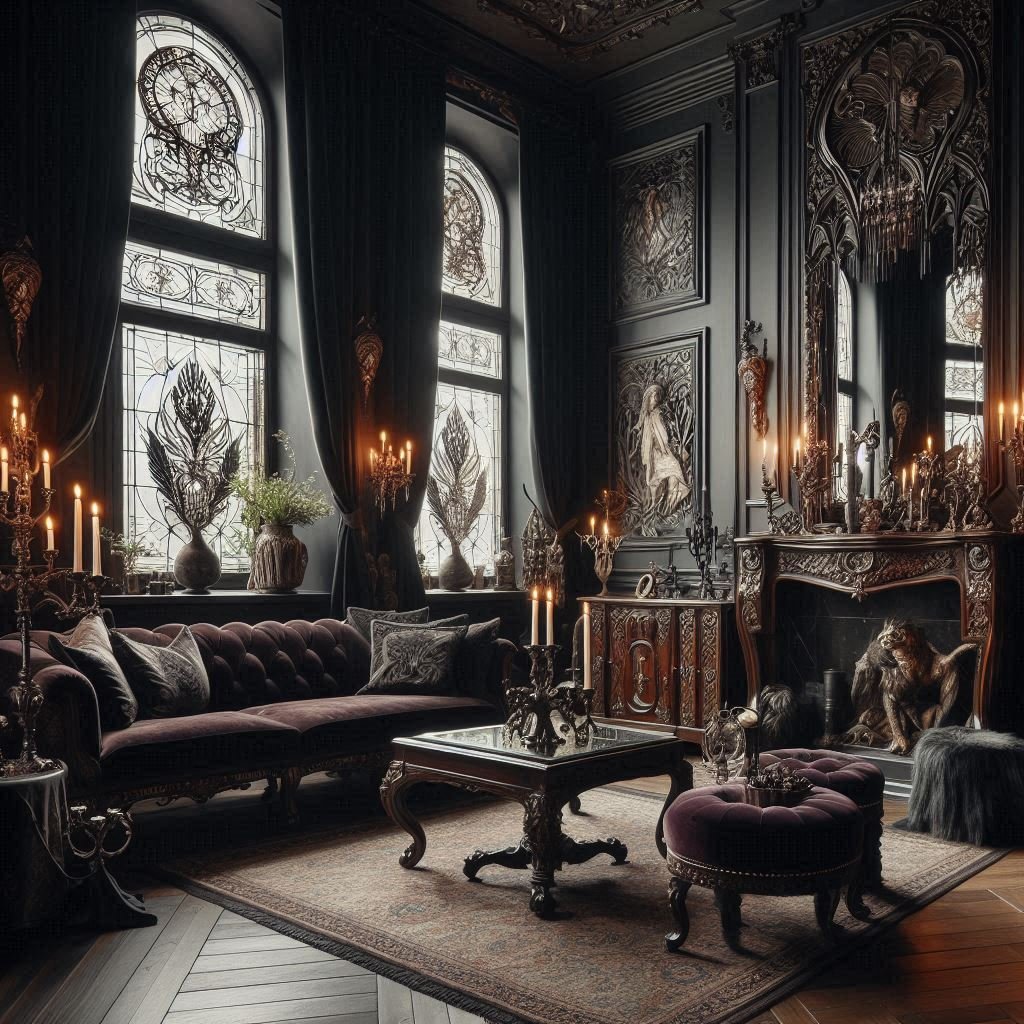
Lighting plays a central role in creating a gothic atmosphere. Swap out generic ceiling fixtures for ornate chandeliers, wrought-iron sconces, or vintage-style lamps that cast warm, ambient light.
A black crystal chandelier can serve as a stunning centerpiece, dripping with elegance and mystery. For a more medieval feel, go for candle-style wall sconces or iron candelabras that recall old castles and cathedrals.
Layer your lighting with table lamps in carved bases and dark shades. These will provide soft, romantic lighting that enhances your space without overpowering it.
Don’t forget about candles! Flameless or real, they provide the flickering, moody ambiance that defines gothic decor. When strategically placed, lighting becomes more than functional—it becomes a mood-setting design feature.
Dark Botanical Elements
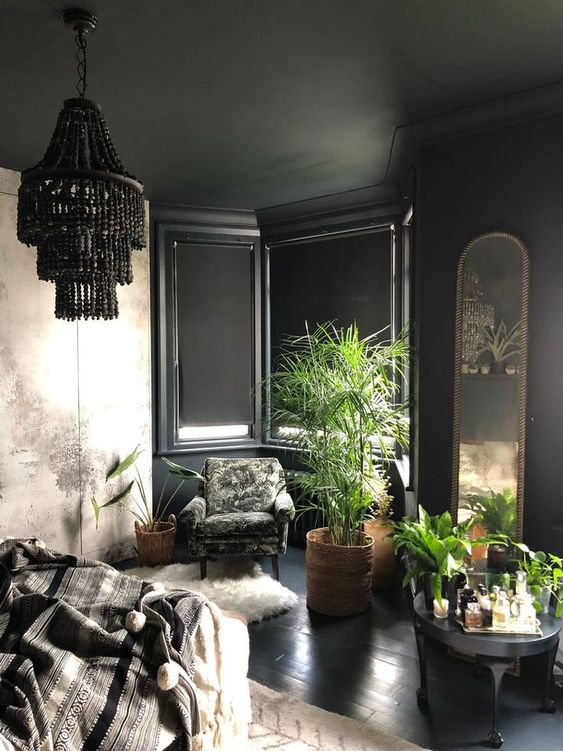
Even gothic spaces benefit from a touch of nature. Bring life into your living room with dark botanical elements that complement the overall theme.
Think black roses, dried eucalyptus, or dark green ivy draped over shelves or windows. Potted plants like rubber trees or burgundy-hued oxalis add color and contrast without clashing with your gothic palette.
Dried flower arrangements in vintage vases or domed cloches bring a Victorian flair while keeping maintenance low. Add a touch of the eerie with twisted branches or preserved moss in shadow boxes.
Botanical touches keep your gothic living room feeling fresh and connected to nature—just with a darker twist. These details also break up heavy textures and give the eye a natural place to rest.
Textured Accent Walls
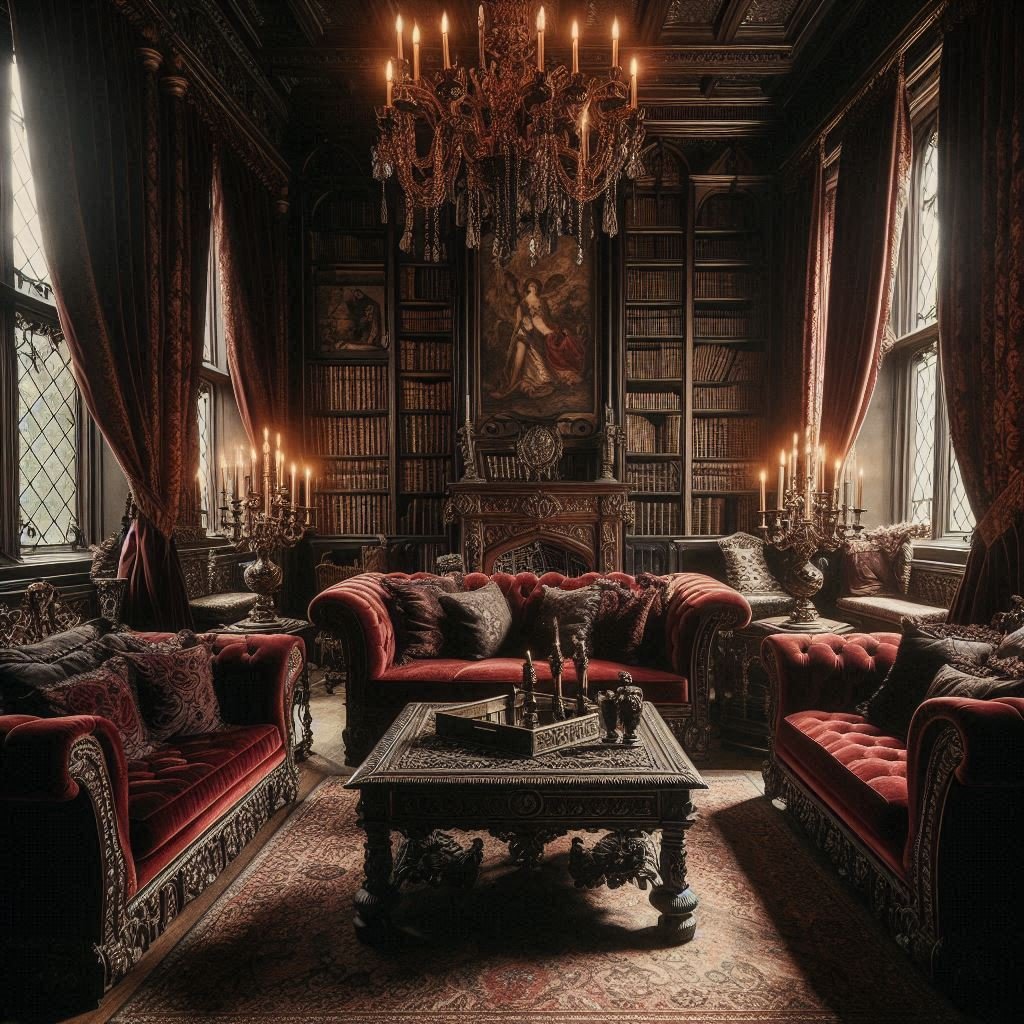
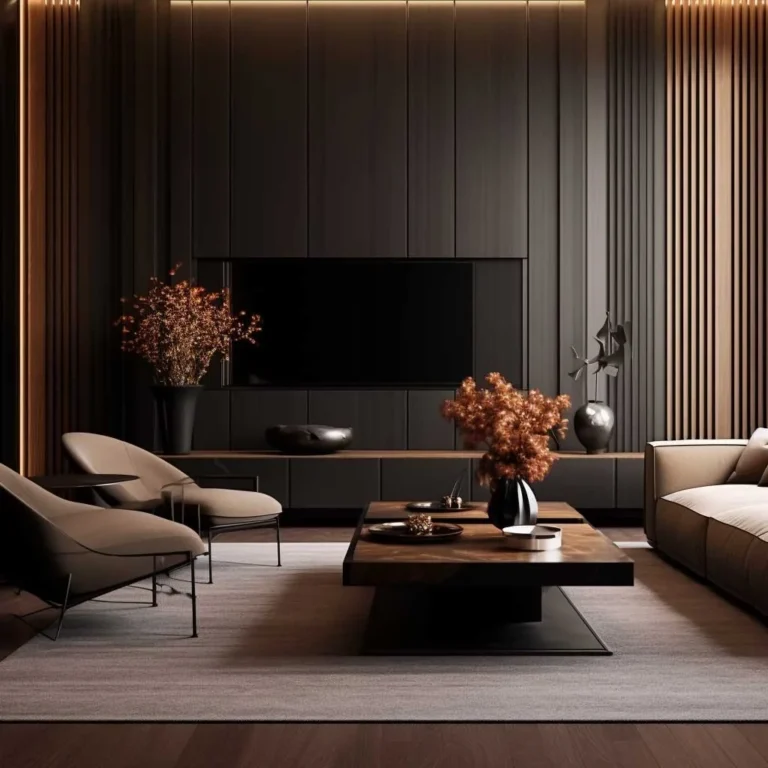
A bold accent wall can anchor your gothic living room and tie the entire space together. Textured options like faux brick, embossed wallpaper, or dark wood paneling create depth and intrigue.
Choose a wall that draws natural attention—behind your sofa or fireplace—and transform it into a dramatic focal point. Embossed damask wallpaper in a deep charcoal or black velvet finish adds a luxurious touch, while exposed brick lends an aged, historical feel.
Consider painting wooden molding in a contrasting dark hue or using decorative wall panels for a more architectural vibe. These kinds of layers give the room a timeless, high-end appearance.
The texture doesn’t just come from the material itself; lighting plays a big role too. Use spotlights or wall sconces to highlight your accent wall’s unique details.
Gothic-Inspired Fireplace
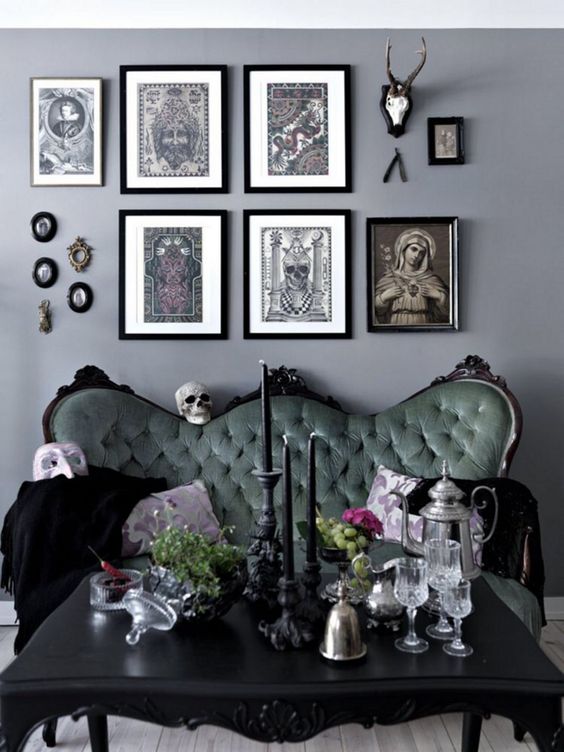
A fireplace is a natural fit for a gothic living room. Whether it’s functional or purely decorative, a fireplace acts as a central anchor and brings cozy, old-world charm to your space.
If you have a working fireplace, consider framing it with an ornate mantel in dark-stained wood or black stone. Adorn it with vintage candelabras, a gilded mirror, or an antique clock. Faux fireplaces also work beautifully when styled correctly—just add stacked logs or flickering LED candles for effect.
Above the mantel, hang a gothic-style painting or an intricate mirror with wrought iron details. Keep the hearth area in line with the rest of the decor—dark tiles, aged brass tools, and rich textures complete the look.
This cozy focal point not only enhances the room’s ambiance but also gives you a space to gather, relax, and reflect in true gothic style.
Antique Mirrors
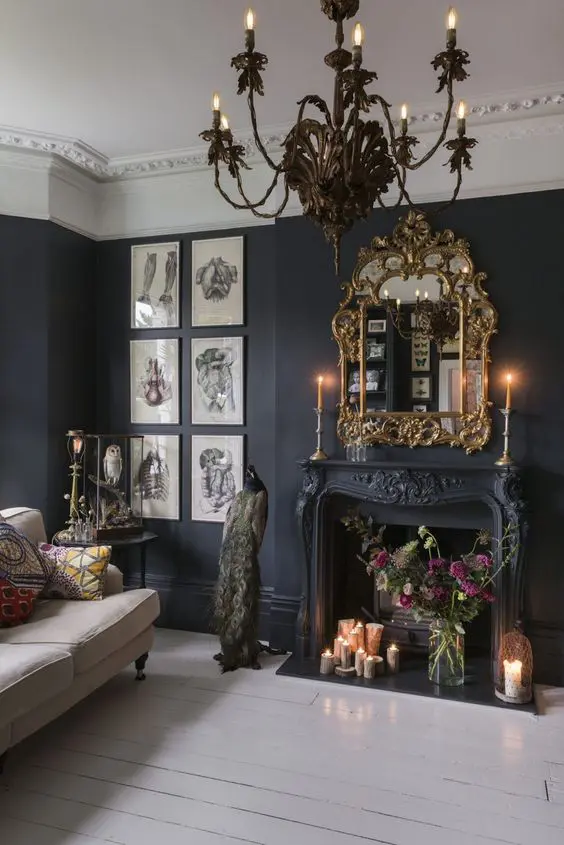
Mirrors are a powerful design tool in any gothic space. They reflect light, add depth, and serve as stunning decorative pieces—especially when framed in elaborate styles.
Look for mirrors with gilded gold, black baroque, or distressed silver frames. Hang a large mirror above the fireplace or as part of a gallery wall. The goal is to choose designs that feel dramatic, elegant, and slightly mysterious.
Mirrored furniture or accent trays can also enhance the gothic vibe while adding a bit of glam. Place candles or lanterns nearby to reflect a soft glow, turning your mirrors into portals of atmosphere.
Whether vintage or reproduction, the right mirror can evoke feelings of old castles and gothic tales, adding another layer of richness to your living room design.
Velvet Everything
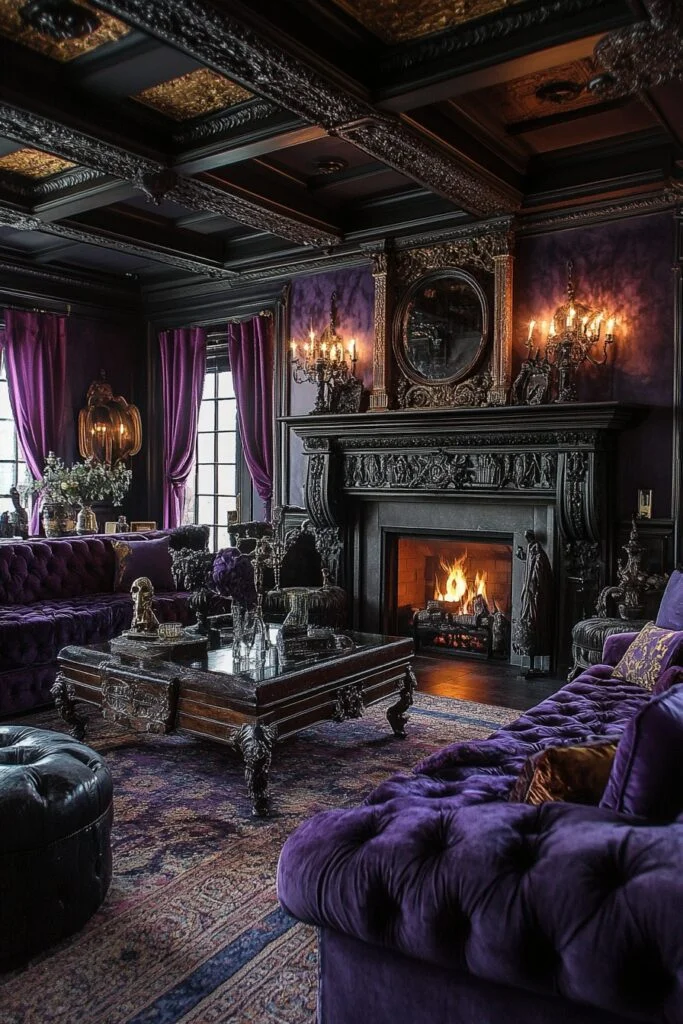
Velvet is practically synonymous with gothic interiors. Luxurious, tactile, and timeless, it’s the perfect fabric to incorporate throughout your living room for that signature gothic opulence.
Start with a velvet sofa in deep emerald, burgundy, or black. Add matching or contrasting velvet throw pillows and drapes for cohesion. A velvet ottoman or armchair can act as both a statement piece and a cozy reading spot.
Mix velvet with other rich textures like lace, leather, and brocade to create visual interest. Use crushed velvet for a more lived-in feel or sleek velvet for a cleaner, modern gothic aesthetic.
Not only does velvet feel amazing, but it also absorbs light in a way that makes colors appear deeper and more dramatic. It’s the ultimate fabric for creating a moody, elegant space where every detail feels intentional and indulgent.
Statement Gothic Rugs
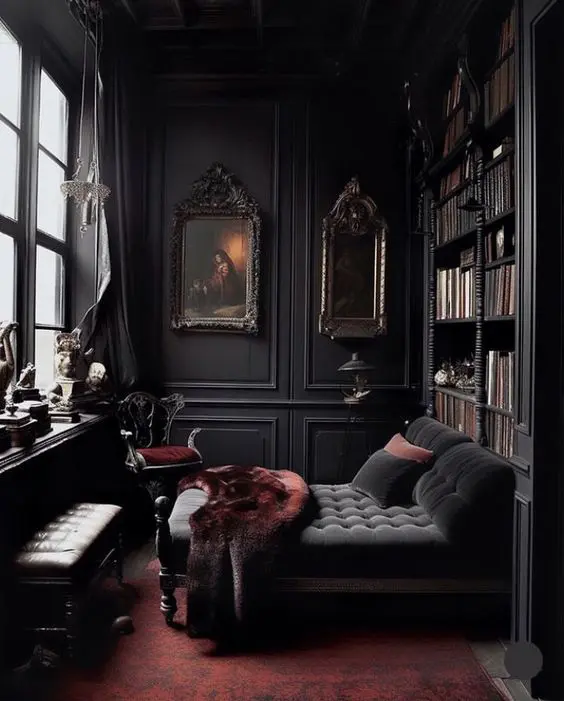
Rugs play a powerful role in setting the tone of any room, and in a gothic living room, they help anchor the space while reinforcing the moody aesthetic.
Look for rugs with intricate baroque or damask patterns in rich tones like black, burgundy, dark navy, or forest green. Oriental and Persian-style rugs also work beautifully, especially those with a vintage or distressed finish. These classic patterns evoke an old-world feel that’s perfect for gothic decor.
Layering rugs is another way to create depth and drama. A larger neutral rug beneath a richly patterned one adds dimension and makes your seating area feel intimate. Pair your rugs with heavy, dark wood coffee tables or wrought iron accent pieces to enhance the look.
The right rug not only adds visual warmth and texture but also absorbs sound, creating that hushed, almost cathedral-like vibe that’s so essential to gothic style.
Gothic Literature Touches
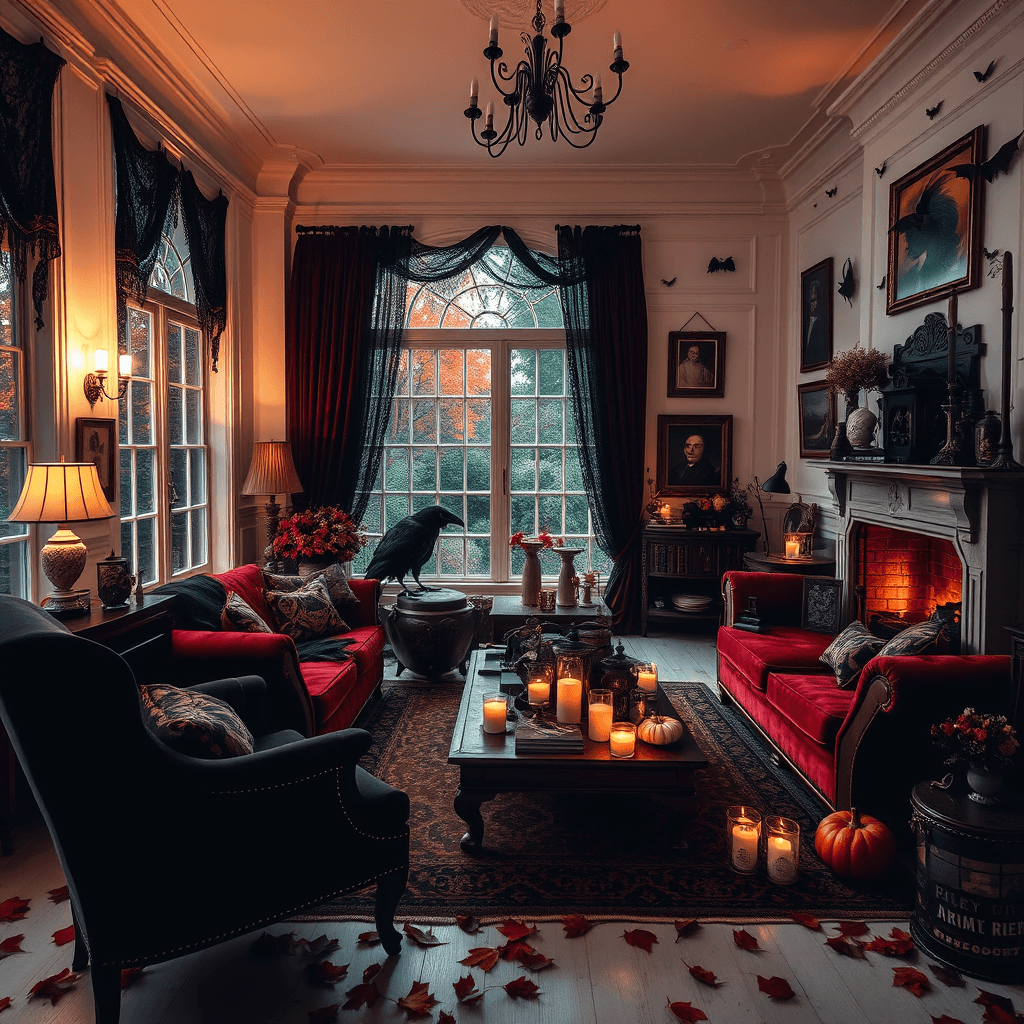
Infuse your living room with the essence of gothic literature by incorporating subtle nods to classic novels and dark storytelling. This could be as simple as displaying antique books or as elaborate as creating a themed reading nook.
Stack weathered, leather-bound novels on side tables or in dark wooden bookshelves. Include works from Edgar Allan Poe, Mary Shelley, Bram Stoker, or the Brontë sisters. Vintage-style bookends—think ravens, skulls, or gargoyles—can add even more personality.
You can also frame quotes from your favorite gothic stories or hang prints inspired by classic book covers. A cozy armchair beside a flickering candle or a moody lamp creates the perfect spot to lose yourself in a tale of mystery and romance.
These subtle details make the space feel thoughtful, cultivated, and uniquely yours—perfect for literature lovers and dark romantics alike.
Wrought Iron Accents
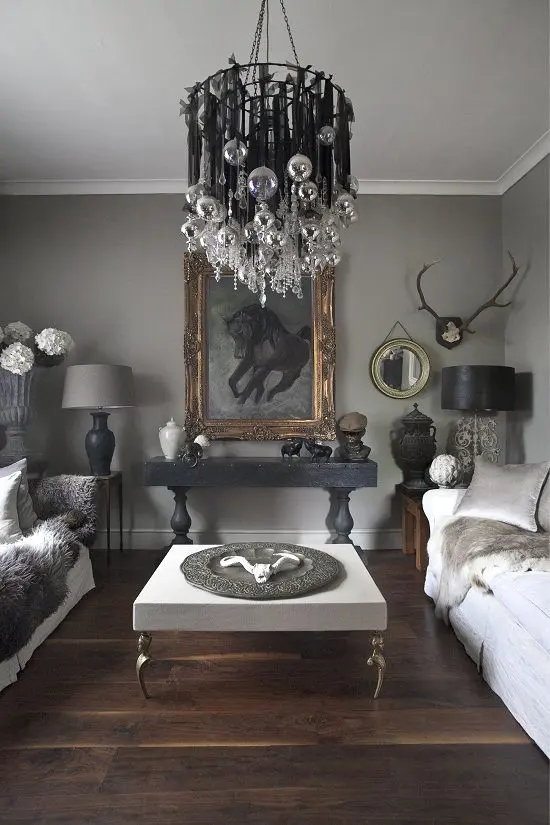
Wrought iron is a hallmark of gothic design, thanks to its old-world craftsmanship and dramatic lines. It’s both functional and decorative, making it a fantastic way to layer gothic flair throughout your space.
Incorporate wrought iron through curtain rods, picture frames, wall sconces, or furniture details like coffee table legs or side chairs. The black metal pairs beautifully with both dark and rich tones, offering a strong visual contrast and adding depth to your decor.
Wrought iron shelving or mirror frames can serve as bold focal points, while small accents—such as candleholders or fireplace tools—add subtle touches that tie everything together.
This material evokes a medieval, cathedral-like ambiance that perfectly complements velvet, dark woods, and moody colors. With the right pieces, wrought iron brings timeless structure and texture to your gothic living room.
Gothic Wall Molding
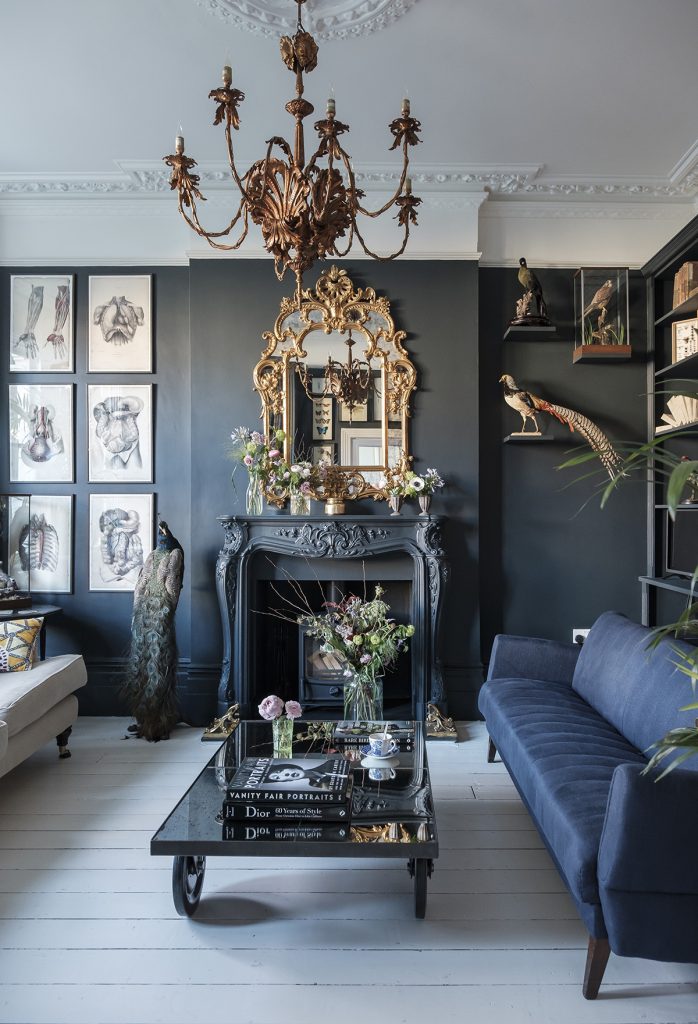
Crown molding and decorative wall trim are often overlooked, but in a gothic living room, they can dramatically enhance the architecture and overall mood of the space.
Use dark-painted wainscoting or picture-frame molding to add structure and sophistication to your walls. Consider painting your trim in the same dark color as the wall for a seamless, enveloping effect—or use a slightly different hue to add depth.
For a bolder look, go for arched wall paneling or custom millwork that mimics the shapes found in gothic cathedrals. These details can transform even a modern space into something more historical and theatrical.
You don’t have to live in a castle to enjoy gothic wall features. Even simple crown molding painted black or charcoal can make your living room feel more stately and immersive.
Candlelit Atmosphere
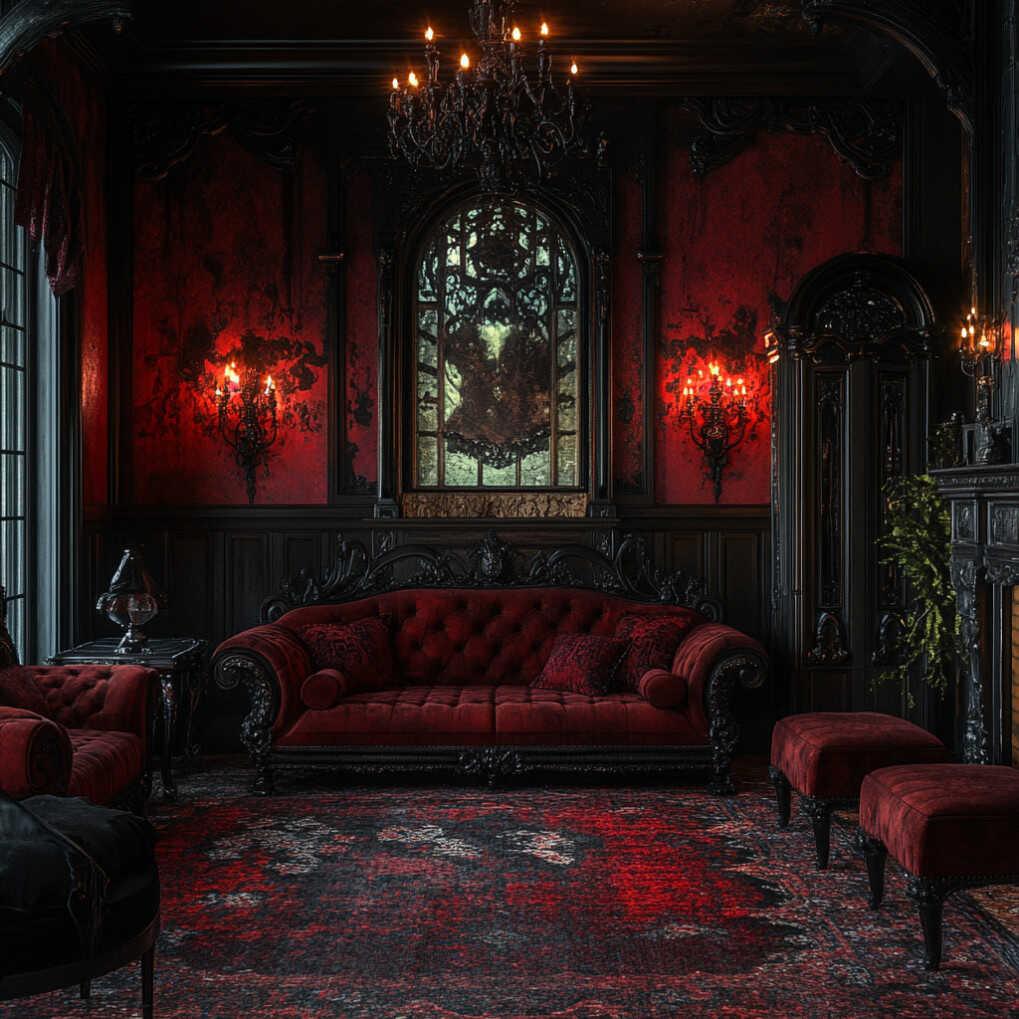
Candles are essential in any gothic space. They create flickering, romantic lighting and a cozy, mysterious ambiance that no electric light can match.
Scatter candlesticks, candelabras, and lanterns throughout your living room. Choose antique-style holders in brass, wrought iron, or crystal to enhance the mood. Use flameless LED candles for safety or real taper candles if you want the full experience.
Consider clustering candles on the fireplace mantel, coffee table, or windowsill. You can even hang wall-mounted candle sconces for a more dramatic look.
Candlelight brings warmth to your gothic living room, softening dark colors and highlighting rich textures. It creates the perfect atmosphere for a quiet evening with a book or an intimate gathering with friends.
Dark Ceiling Paint
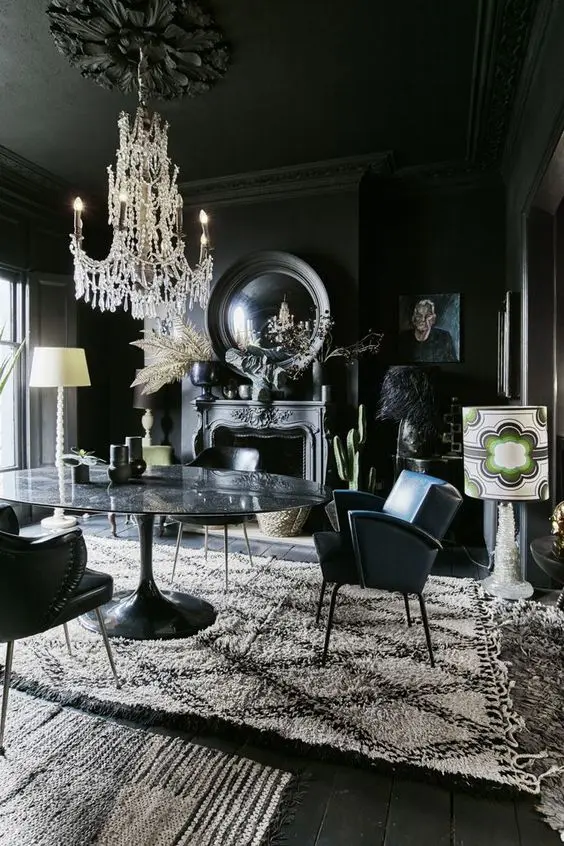
Painting your ceiling a dark color might seem daring, but it’s one of the most powerful ways to create an immersive gothic atmosphere.
Opt for shades like deep plum, charcoal, or midnight blue. A matte or satin finish works best for ceilings, absorbing just enough light to create that enveloping, cathedral-like feel without making the room seem smaller.
Pair your dark ceiling with ornate crown molding or a statement chandelier for added impact. It becomes more than just a ceiling—it turns into a bold design feature that commands attention.
Dark ceilings draw the eye upward, making the room feel taller and more dramatic. When done right, it feels luxurious, cozy, and unapologetically gothic.
Victorian and Baroque Art
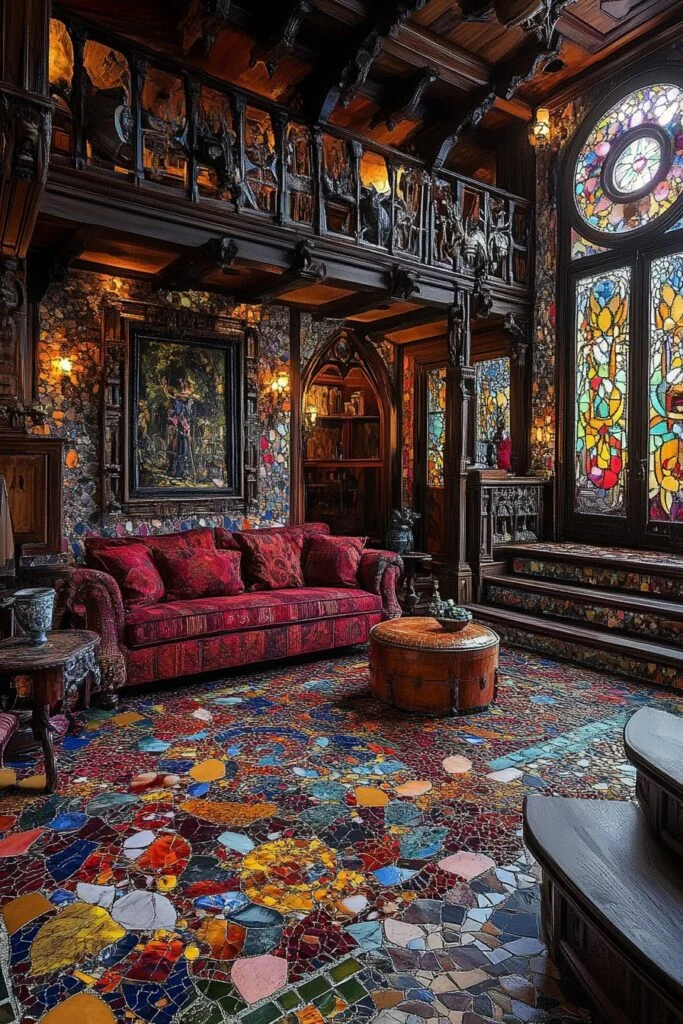
Artwork is a fantastic way to solidify your gothic living room’s theme. Victorian and Baroque-style pieces fit the aesthetic perfectly, bringing both drama and elegance to your walls.
Look for oil paintings, dark floral prints, and moody portraits in ornate frames. Reproductions of classic art or vintage finds from antique markets can add authenticity. Even surreal or mystical artwork with a gothic twist—like celestial bodies, mythological creatures, or anatomical sketches—can work beautifully.
Hang one large piece above your sofa or fireplace, or create a themed art wall with several smaller works. Use heavy gilded frames or matte black ones to emphasize the gothic theme.
Art is personal, and in a gothic space, it should reflect your love for the romantic, the mysterious, and the sublime.
Skull and Raven Accents
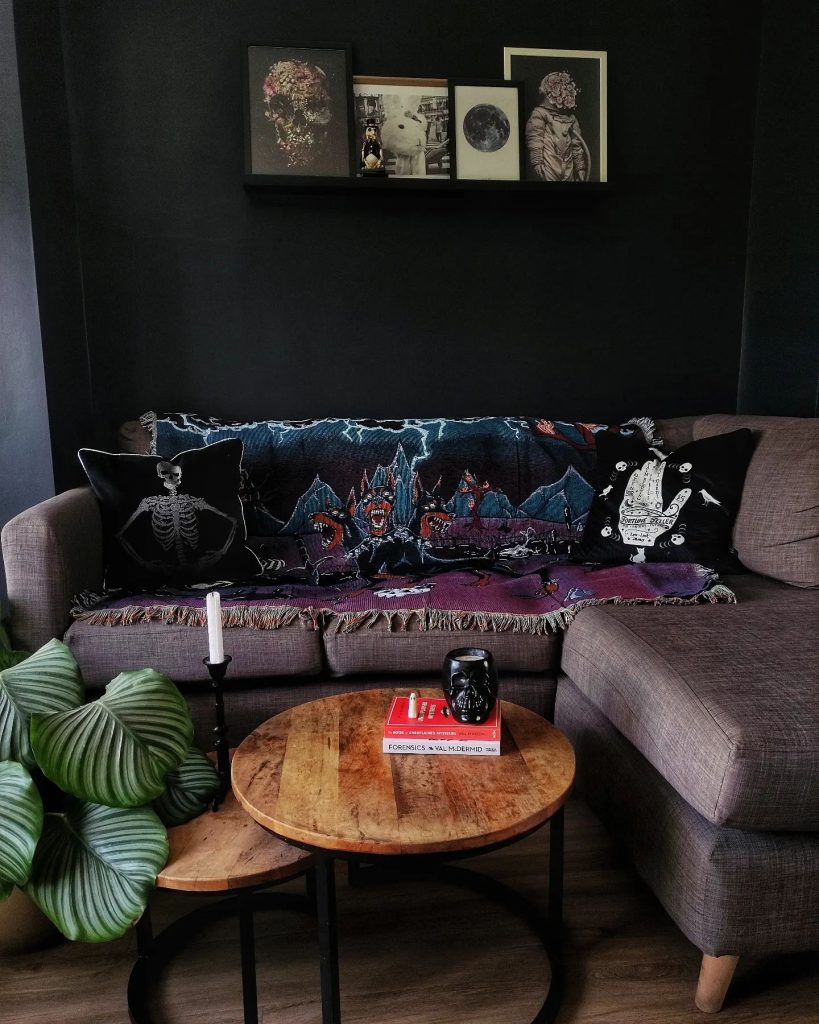
Add a hint of the macabre with subtle skull and raven-themed accents. These motifs are classic symbols in gothic decor and literature, offering just the right balance of dark charm and intrigue.
Look for decorative skulls made of ceramic, crystal, or aged metal. Ravens—whether in print, sculpture, or embroidered on textiles—add a literary and supernatural touch to your room. Incorporate these accents sparingly to keep the space stylish rather than kitschy.
A glass cloche housing a small raven figurine, or a vintage-style skull on a side table, adds a curated and thoughtful edge. These details nod to gothic culture without overwhelming the space.
It’s all about creating visual storytelling—where each object whispers a tale of mystery and elegance.
Luxurious Throw Blankets and Pillows
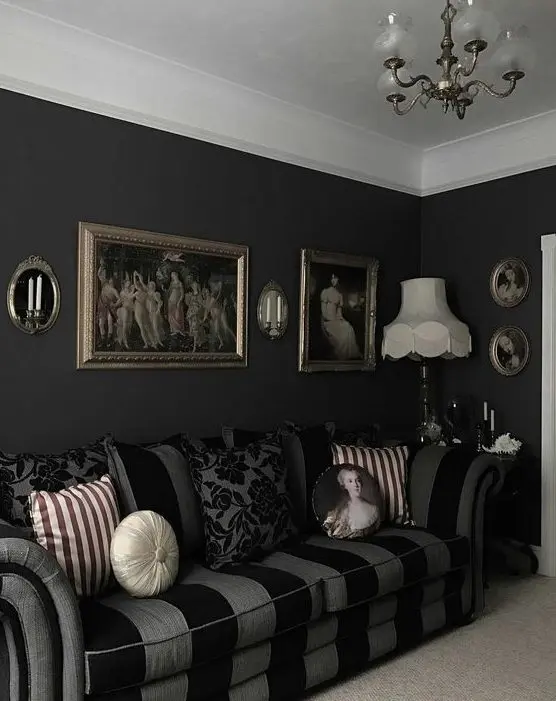
Finish your gothic living room with luxurious layers of textiles. Throw blankets and pillows not only add comfort but also enhance the room’s richness and visual interest.
Choose fabrics like velvet, faux fur, brocade, or lace. Deep jewel tones, black, and dark neutrals are ideal. Opt for tassels, fringe, or embroidered detailing to bring in vintage elegance.
Drape a plush throw over your sofa or reading chair. Layer pillows in mixed textures and sizes to give your seating a plush, inviting look.
These cozy elements soften the strong lines and dark colors of gothic furniture, creating a harmonious blend of drama and comfort. It’s the final step in making your gothic living room feel like a true sanctuary.
Dramatic Black Walls
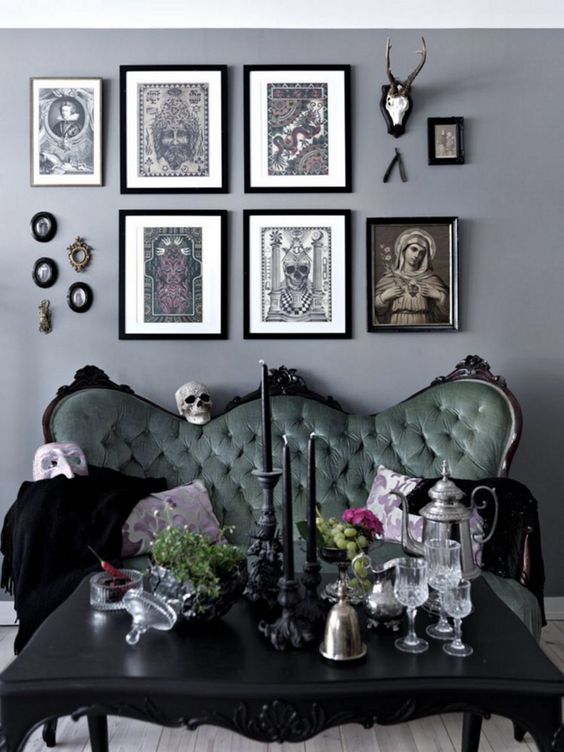
Painting your living room walls black is one of the most impactful ways to bring gothic style into your space. Deep, matte black or charcoal gray creates a moody backdrop that instantly sets the tone for this dramatic aesthetic.
To keep the room from feeling too closed-in or heavy, balance the darkness with metallic gold accents, ornate mirrors, or cream-colored trim. You can also layer in ambient lighting—like sconces or warm LED strips—to give the space a glowing, inviting ambiance.
Black walls also serve as the perfect canvas for showcasing bold gothic art, antique furniture, or even a taxidermy collection if you’re feeling especially daring. It’s a bold move, but it pays off when paired with velvet drapes, carved wood pieces, or crystal chandeliers that pop against the dark palette.
Gothic living rooms are all about embracing drama, and black walls make a fearless foundation for layering in even more luxurious and moody elements.
Antique Gothic Furniture
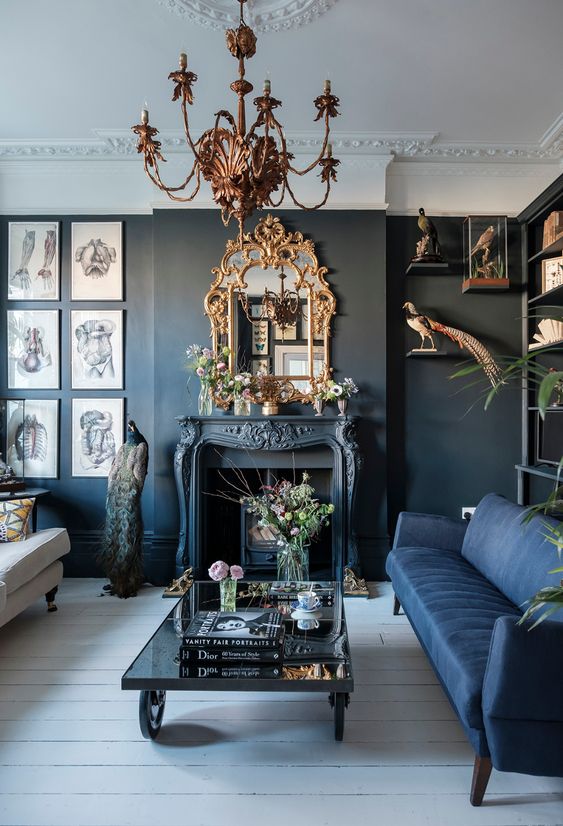
Choosing antique or reproduction gothic furniture instantly anchors the room with historical character and opulence. Think carved wood chairs, claw-foot coffee tables, and high-backed tufted sofas with rich velvet or brocade upholstery.
Mahogany, walnut, and dark-stained oak are ideal wood finishes for this aesthetic. Look for pieces that have intricate detailing, such as spindles, arches, or gothic revival motifs like trefoils or quatrefoils.
Pairing these with lush, dark fabrics—like wine red, forest green, or deep indigo—helps create a regal atmosphere. Add a carved armoire or apothecary cabinet to enhance the vintage vibe and give you practical storage space, too.
This type of furniture adds not just beauty, but a sense of storytelling and mystery to your living room, evoking castles and cathedrals while still feeling cozy and livable.
Velvet and Brocade Textiles
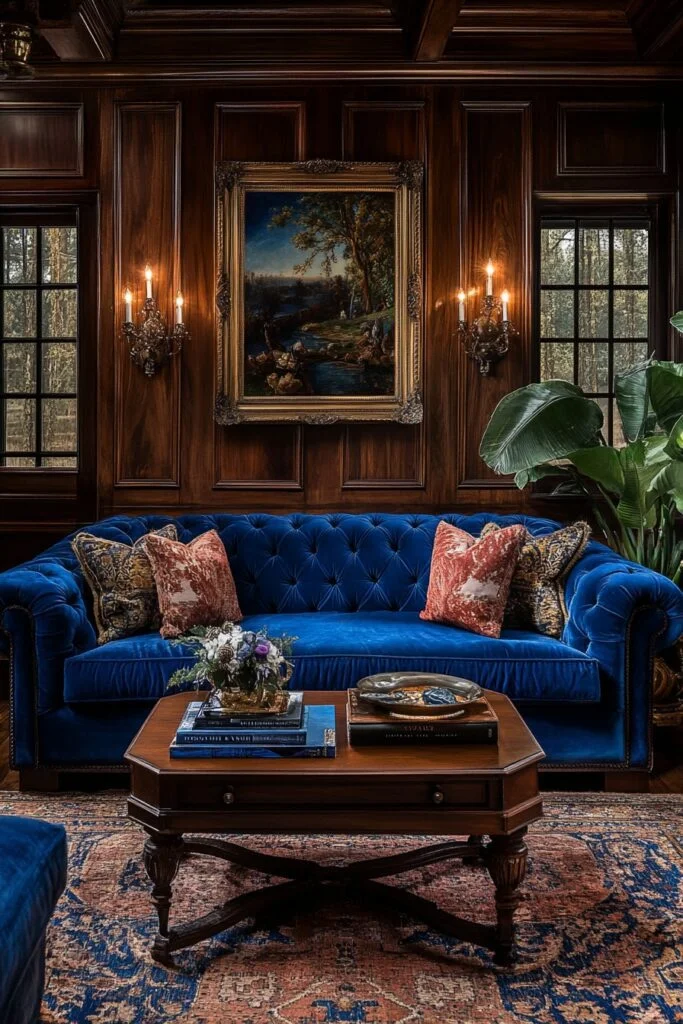
Texture plays a huge role in gothic interior design, and nothing says gothic opulence quite like velvet and brocade.
Velvet throw pillows, curtains, and upholstery introduce a plush, almost theatrical feel that adds immediate richness to the room. Brocade fabrics—especially those with damask or floral patterns—evoke old-world elegance that’s synonymous with gothic design.
For a layered look, drape a crushed velvet throw over a leather armchair or use velvet floor-to-ceiling curtains to frame your windows. The shimmer and depth of these materials create dimension and draw the eye across the room.
Even small touches, like a brocade runner on your coffee table or velvet floor cushions, can elevate the entire mood of your living room. This is where you can really lean into luxury without going over the top.
Moody Chandeliers and Lighting
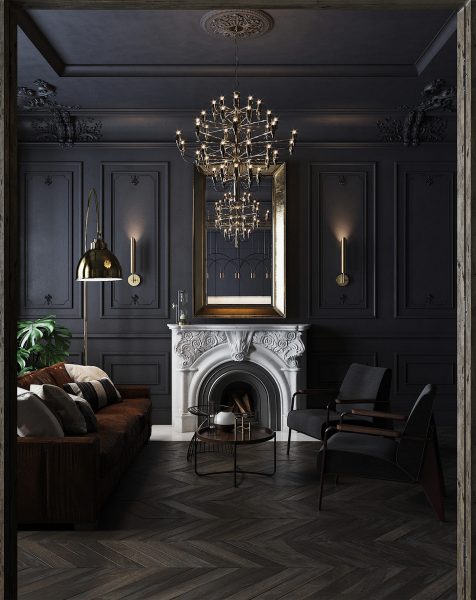
Lighting is essential in a gothic living room—and not just any lighting. Go for ornate chandeliers, candelabras, and sconces that double as statement pieces.
Wrought iron chandeliers with faux candle bulbs or crystal-draped light fixtures can add drama and elegance, while casting shadows that enhance the mysterious mood. Wall-mounted sconces with antique brass or dark bronze finishes bring an old-world touch and help create pockets of cozy light.
Avoid harsh white light. Instead, choose bulbs with warm tones (around 2700K) to maintain the gothic ambiance. Battery-powered candles or flickering LED lanterns are also great for adding atmosphere without needing outlets.
The right lighting transforms your gothic living room into a truly immersive space—romantic, intriguing, and perfect for a moody evening in.
Ornate Mirrors with Gothic Frames
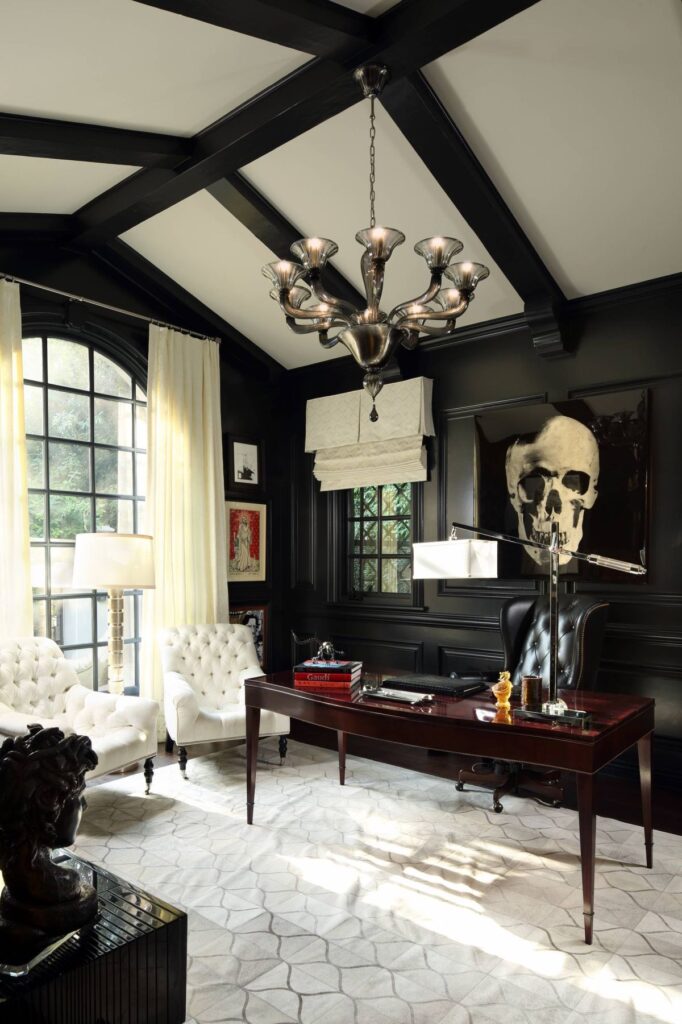
A mirror is more than just a functional item in gothic decor—it’s a powerful visual tool. Look for mirrors with dramatic, arched, or baroque-inspired frames in black, gold, or silver finishes.
Position a large ornate mirror above your fireplace or on a central wall to reflect light and expand the space. This helps counterbalance darker colors and keeps the room from feeling too enclosed.
Gothic frames often feature intricate carvings, scrollwork, or cathedral-like shapes that echo the architecture of historic churches and castles. Whether you go vintage or reproduction, it adds both elegance and a bit of eerie charm.
Smaller mirrors clustered together in antique frames can also create a gallery wall with high impact. This decorative trick works well in rooms with limited natural light, amplifying both style and luminosity.
Gothic Gallery Wall
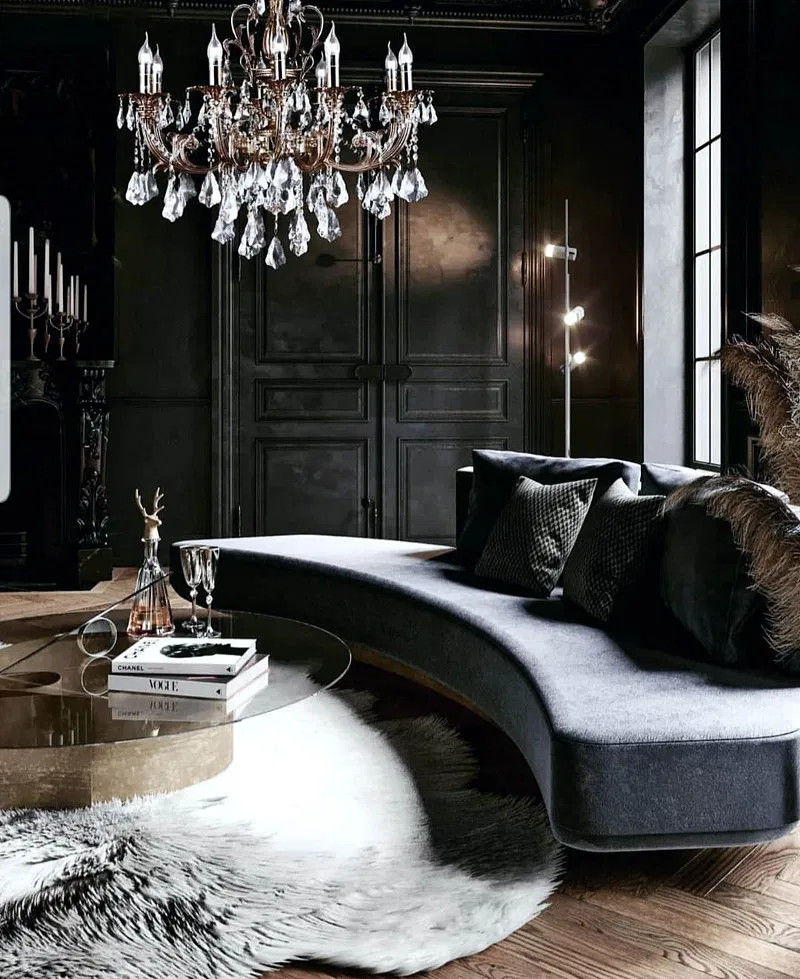
A gothic gallery wall is your chance to tell a visual story filled with mystery, drama, and personal style.
Mix antique portraits, Victorian-style prints, surreal black-and-white photography, or even framed pressed flowers and insects. The key is to maintain a cohesive color palette—stick with black, white, gold, and muted jewel tones for best effect.
Choose dark or ornate frames to enhance the gothic feel. Don’t be afraid to include a few unusual pieces, like a vintage key, small mirror, or candle sconce in between the artwork.
Arrange your gallery wall above a dark velvet sofa or antique console table to create a focal point. This is one of the most flexible and creative ways to bring gothic style into your living room without a permanent commitment.
Dark Floral Accents
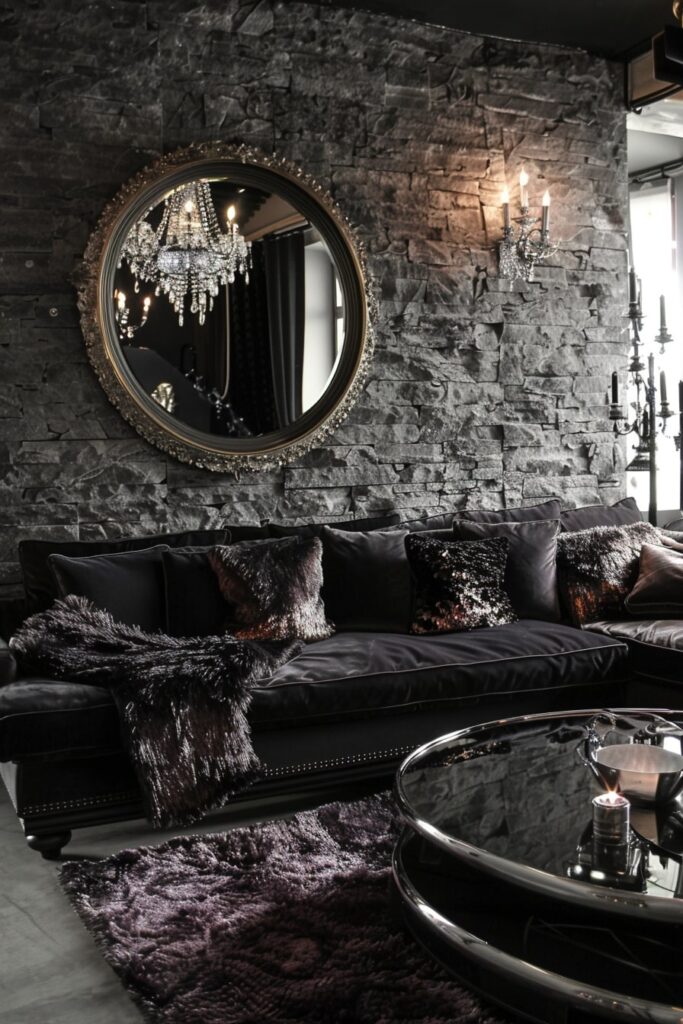
Florals might not seem gothic at first glance, but when done in rich, moody colors, they fit perfectly.
Look for throw pillows, wallpaper, or art prints featuring dark florals in shades of burgundy, black, navy, or deep plum. These add softness and femininity without compromising the bold aesthetic.
You can also use actual floral arrangements with dramatic blooms like black roses, calla lilies, or dark dahlias. Pair them with antique-looking vases—like mercury glass, aged brass, or ceramic urns—for that extra gothic flair.
Floral elements provide a lush, romantic contrast to the harsher lines of gothic architecture or furniture. It’s the perfect way to bring in a little life without losing the edge.
Faux Taxidermy and Curiosities
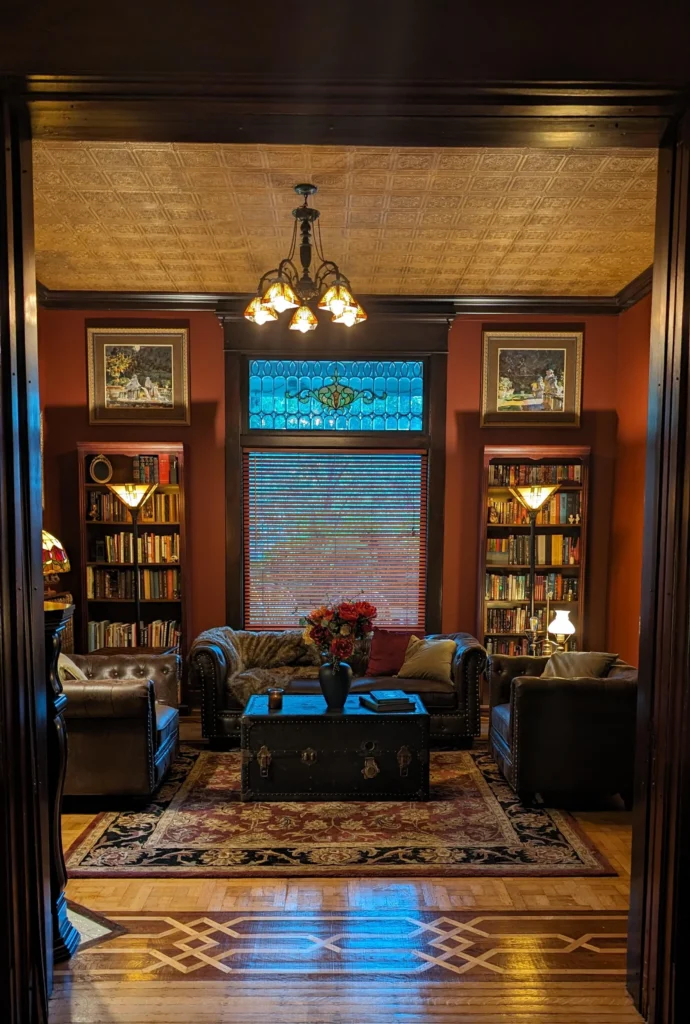
Taxidermy—real or faux—adds an eccentric, macabre touch to your gothic living room. Faux ravens, antlers, or butterfly shadow boxes can give your space that cabinet-of-curiosities vibe without harming any animals.
Place these items on bookshelves, side tables, or within a glass cloche to give them museum-like prominence. Curios like vintage apothecary jars, crystals, and skeleton keys add even more interest.
You don’t have to overdo it—just a few well-placed pieces go a long way. This kind of decor adds character and helps your gothic living room feel lived-in, layered, and mysterious.
Victorian-Inspired Rugs
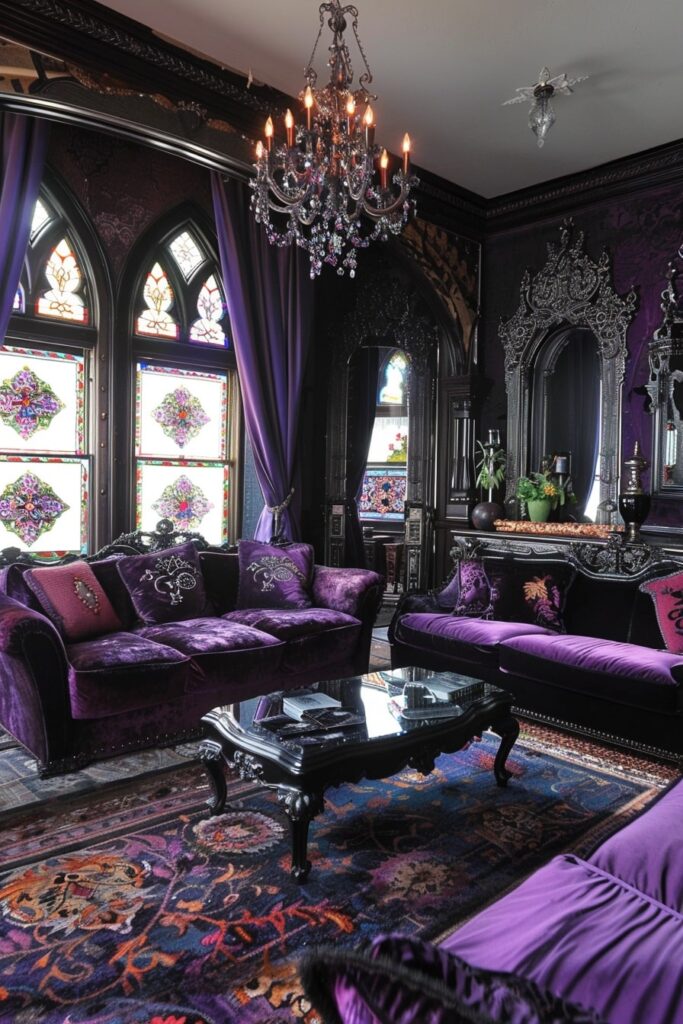
Gothic style thrives on detail, and the floor is no exception. A Victorian-inspired rug can ground your space and tie together all the dramatic elements above it.
Look for rugs with intricate patterns—floral motifs, damask, or oriental designs—in deep, saturated tones like ruby red, navy, forest green, or black. The wear and patina of vintage or vintage-style rugs actually add to their charm.
Use a large area rug to define your seating area, or layer smaller ones for a cozy, collected feel. A dark, richly patterned rug under a velvet sofa and a carved coffee table pulls the entire gothic aesthetic together effortlessly.
Plus, rugs add warmth and texture—key ingredients in making your space feel welcoming despite its dark, moody palette.
Rich Jewel Tone Accents
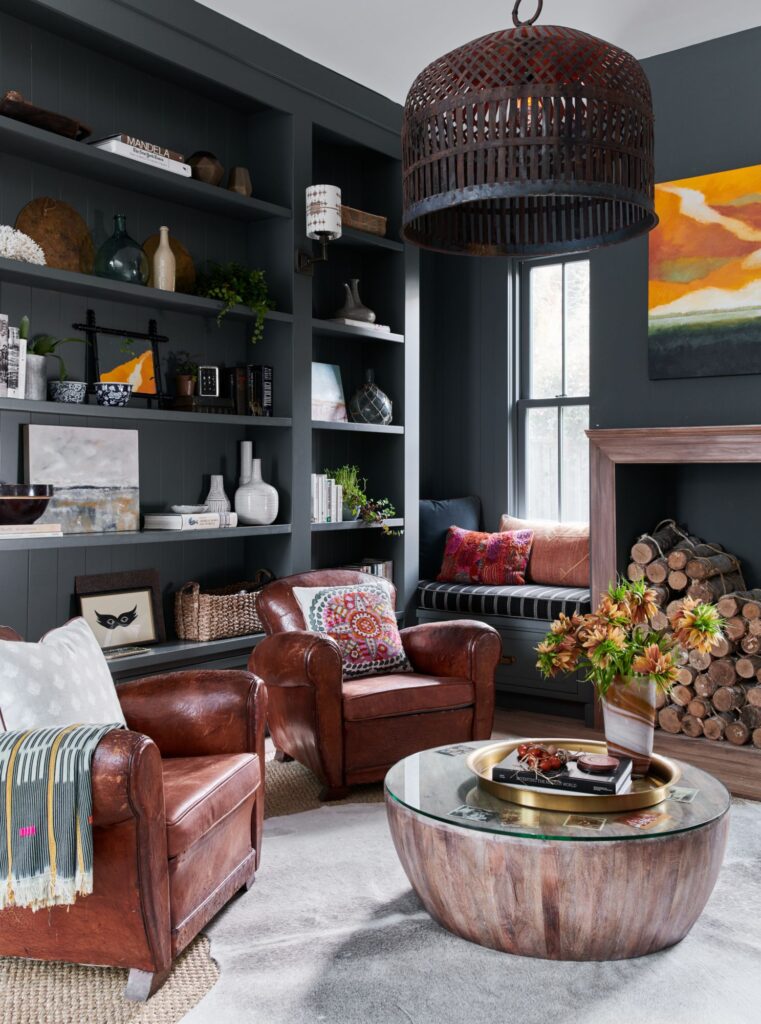
Jewel tones are a staple in gothic design. They add color without sacrificing moodiness, and they bring richness that enhances the entire room.
Accent your living room with pillows, drapes, or throws in deep emerald green, sapphire blue, amethyst purple, or ruby red. These hues pop against black or charcoal walls and lend a regal air to the room.
You can also incorporate jewel tones through accessories—think glass vases, candleholders, or even an upholstered ottoman. The key is to balance the richness of the color with the texture and tone of the rest of the space.
Jewel tones not only add depth and drama, they also help break up the monotony of an all-black room and make the space feel more dynamic.
Gothic Fireplace Mantel Styling
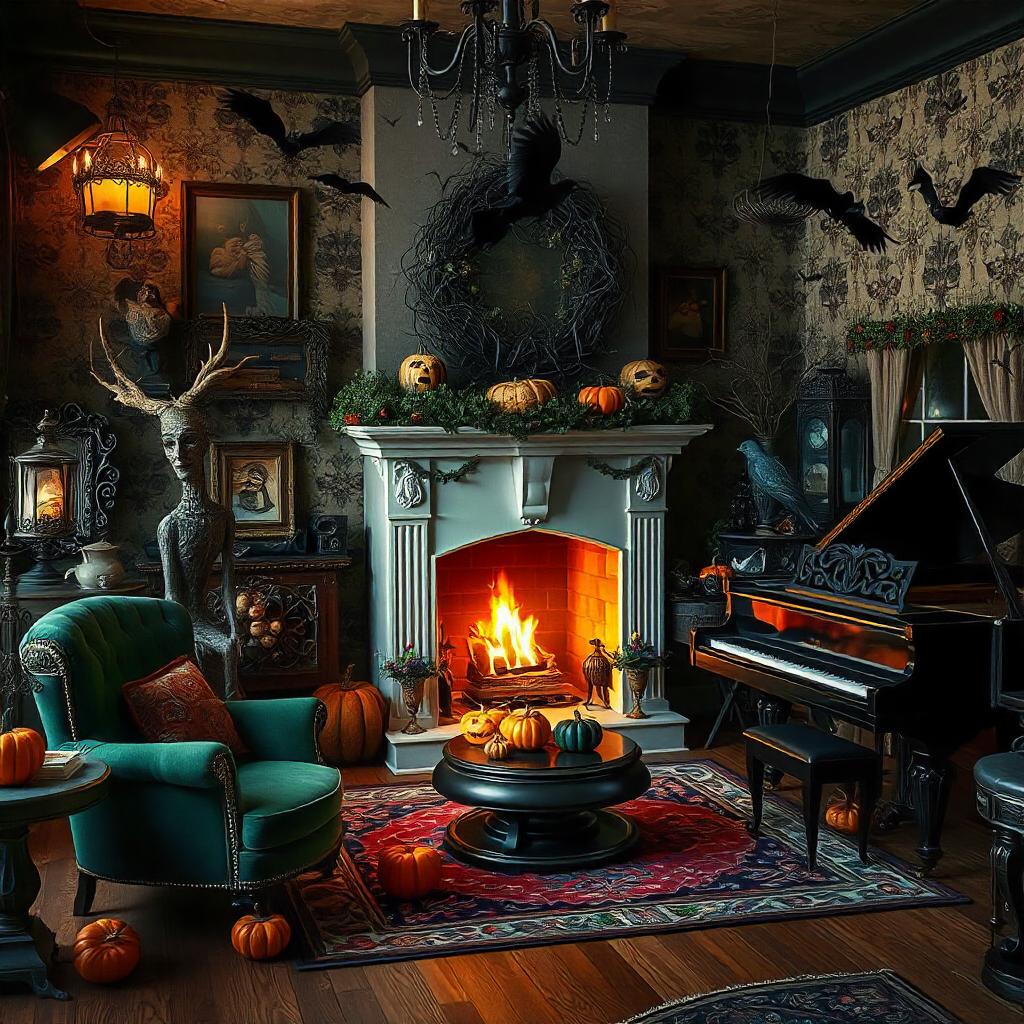
If you’re lucky enough to have a fireplace, it’s a prime spot for gothic decorating. Start with an ornate mirror or gothic arch above the mantel. Then layer in candles, vintage books, small statues, and dried flowers for a curated look.
A wrought iron screen or antique andirons add authenticity. Choose dark-stained wood or painted black mantels for a cohesive look, and decorate with items like raven figurines, antique frames, or taper candles in aged holders.
Even an electric or faux fireplace can become a gothic focal point when styled correctly. Add flickering candles and draped velvet to give it life.
Mantels are perfect for seasonal swaps, too. For Halloween, lean into spookier elements like skulls and crows. The rest of the year, keep it classic with gothic romance and Victorian charm.
Stained Glass Accents
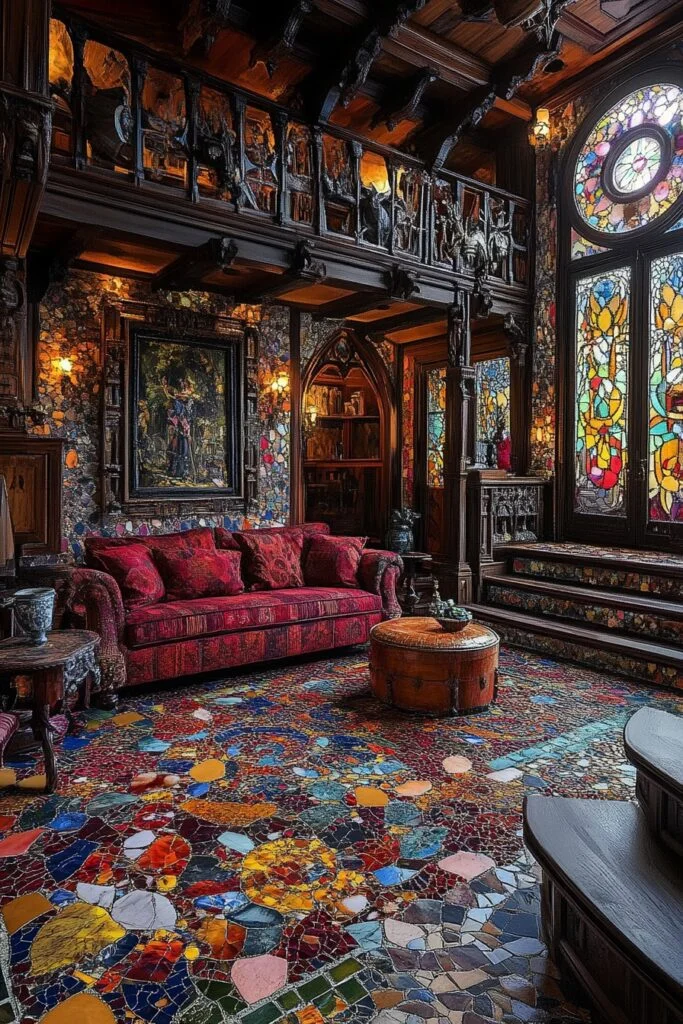
Stained glass might bring to mind ancient cathedrals, but it can absolutely work in a modern gothic living room, too. Whether it’s a full stained glass window or a smaller hanging panel, the vibrant, jewel-toned hues and intricate designs create a mystical, old-world atmosphere.
You don’t have to renovate to enjoy this look—try freestanding panels in front of your existing windows, or hang small leaded glass ornaments in corners where the sun hits. You’ll get those beautiful reflections that dance across your dark floors or velvet curtains.
Stained glass also comes in lamp shades, candle holders, and even decorative cabinet doors. Look for patterns with roses, Celtic knots, or gothic arches to match your overall theme.
The combination of colored light and artistic detailing makes stained glass one of the most enchanting ways to bring depth and magic to your gothic living space.
Arched Doorways and Gothic Trim
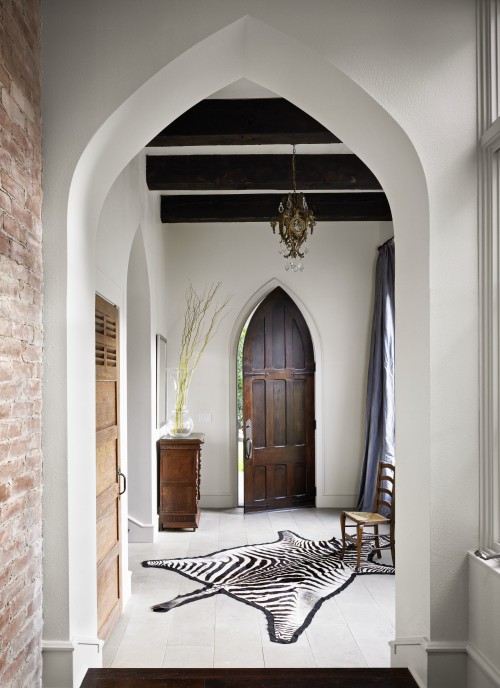
Architecture plays a major role in setting a gothic tone, and arched doorways are a classic feature. Even if your home doesn’t already have this element, you can fake it with arched mirrors, wall decals, or faux framing kits.
You can also enhance the gothic feel by adding decorative trim or molding to walls and ceilings. Think dark crown molding, carved baseboards, or even ceiling medallions paired with ornate chandeliers.
Architectural details create that sense of grandeur and drama, even in a small room. When painted in black, deep brown, or rich mahogany, trim work becomes a frame that emphasizes everything in the space.
It’s an investment in both character and authenticity, helping your living room feel like part of a storybook castle or a romantic Victorian parlor.
Dark Bookshelves and Libraries
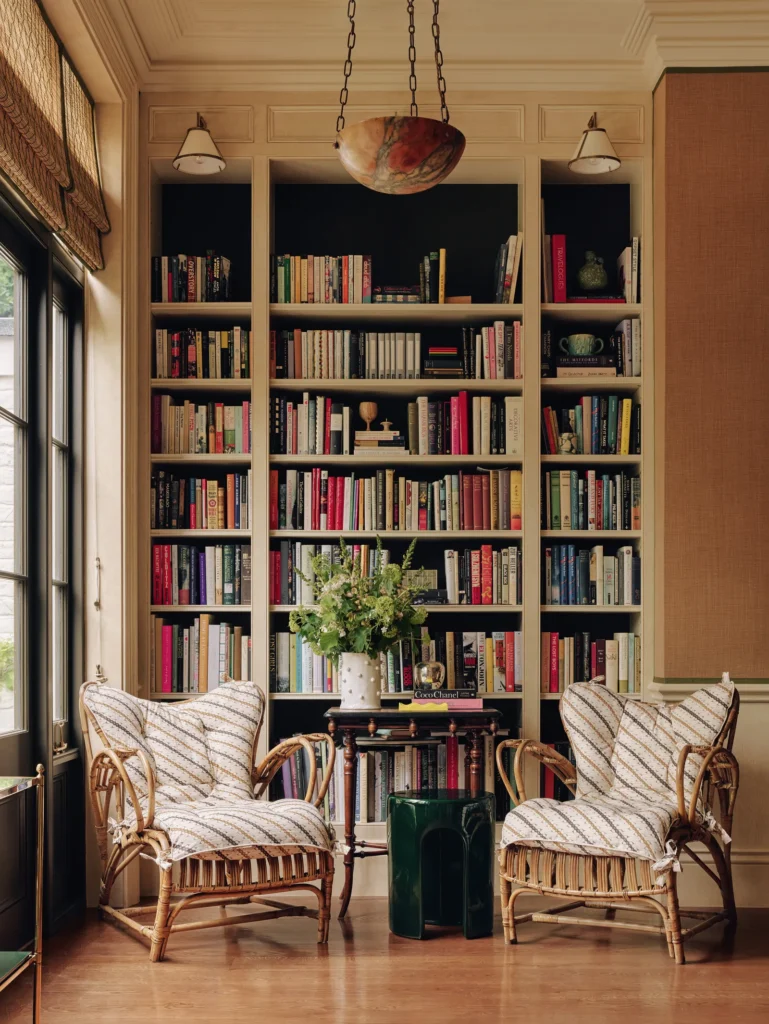
No gothic living room is complete without a space to house your collection of spell books—or just some classic literature. Dark, moody bookshelves make a big impact and double as practical storage and dramatic décor.
Go for built-in shelves in a deep stain or black paint, or create a cozy reading nook with a free-standing gothic-style bookcase. Pair the shelves with ladder rails or candle sconces for extra flair.
Style them with vintage books, dark pottery, crystal clusters, and oddities like hourglasses or antique cameras. A mix of textures—like velvet-covered books, leather-bound volumes, and oxidized metal bookends—enhances the layered gothic feel.
Whether your tastes lean toward Shakespeare or Stephen King, a gothic bookshelf setup is perfect for cultivating mystery, intellect, and romance in your living space.
Gothic Arched Windows or Window Treatments
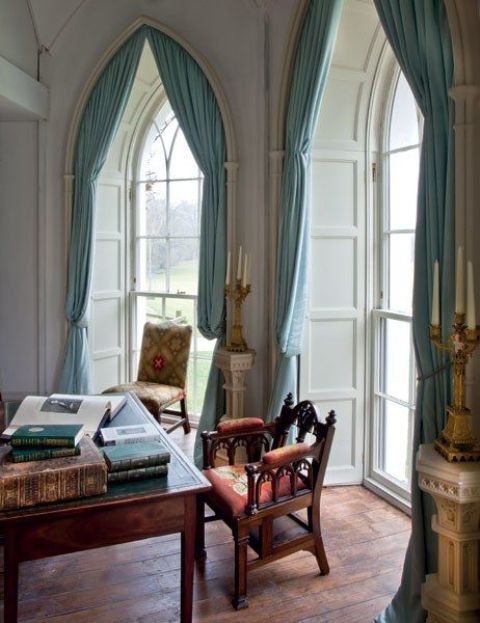
While not every home has authentic gothic arched windows, you can mimic the look with clever curtain styling. Choose long, dramatic drapes in rich materials like velvet or damask. Floor-to-ceiling panels in black, plum, or deep forest green instantly add grandeur.
To fake the shape of gothic arches, use curved or pointed curtain rods, or hang arched mirrors in front of standard windows to suggest the silhouette. You can also use stencil designs or vinyl decals directly on the glass.
Sheer lace panels layered beneath heavier drapes can create a romantic, old-world effect. Bonus: they filter the light beautifully and soften the room while keeping the dramatic look intact.
The right window treatment transforms even a bland room into something out of a gothic novel—mysterious, elegant, and totally immersive.
Skull and Skeleton Decor
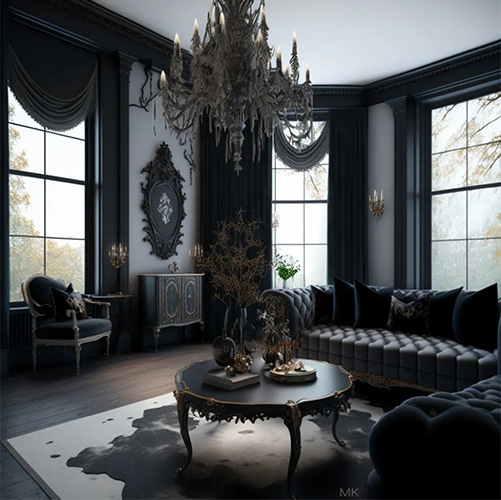
While this leans more into the macabre side of gothic design, skulls and skeletons can be tastefully incorporated for a touch of eerie intrigue.
Use sculptural skull bookends, framed anatomical prints, or even a bone-colored skull as a centerpiece on your coffee table. Gold or metallic finishes can elevate these items from spooky to stylish.
Balance is key—pair darker, dramatic elements like these with rich fabrics and ornate furnishings to avoid crossing into Halloween-only territory. Think Victorian scientist rather than haunted house.
These quirky, edgy details lend personality and playfulness to your gothic living room while still keeping the look cohesive and refined.
Richly Patterned Wallpaper
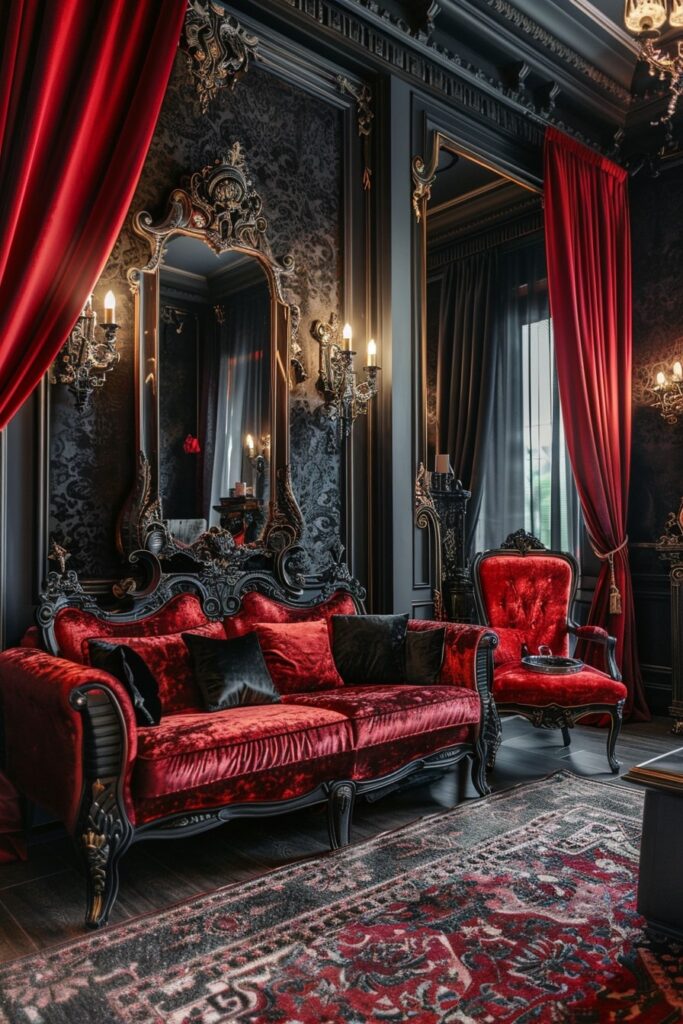
Wallpaper is one of the best ways to set the tone for a gothic living room, especially when it features rich patterns in dark tones.
Look for damask, brocade, baroque, or Victorian floral designs in black-on-black, deep wine, dark emerald, or muted metallics. Peel-and-stick options make it easy to update a space without committing long-term.
A single accent wall can work wonders, especially behind a velvet sofa or gothic fireplace. Or go full coverage to completely immerse your living room in drama and romance.
Pair your wallpaper with complementary textures—like heavy drapes, carved wood, and wrought iron—to create a truly decadent and layered aesthetic.
Coffin or Altar-Inspired Coffee Tables
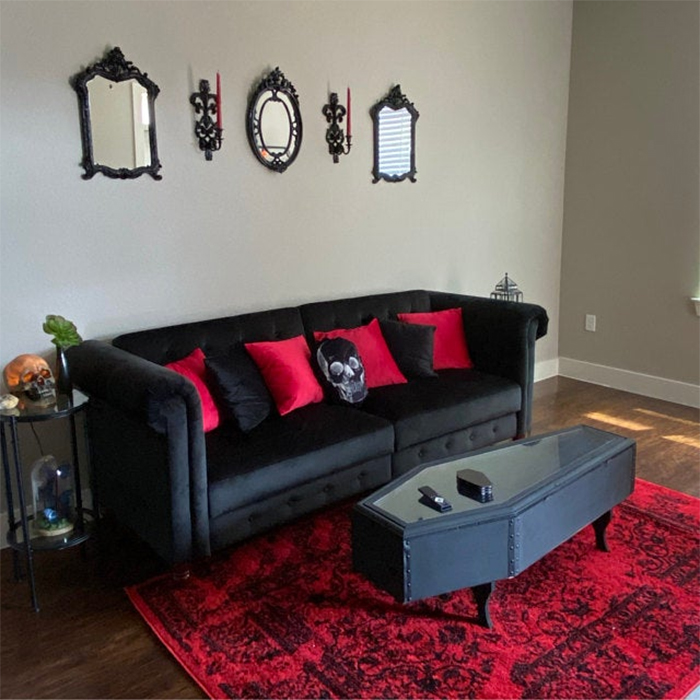
Want to really lean into gothic drama? A coffin-shaped or altar-style coffee table is a bold and unforgettable centerpiece.
You can find ready-made gothic-style tables online or commission a local artisan for something custom. Look for dark woods, ornate carving, or iron hardware for added authenticity.
Don’t be afraid to DIY—repurpose an old chest, add pointed gothic legs, or use reclaimed wood with heavy varnish for a table that’s both dramatic and functional.
Styled with antique books, black candles, and vintage trays, a gothic coffee table anchors the room while also becoming a conversation starter that perfectly reflects your unique taste.
Layered Candles and Candelabras
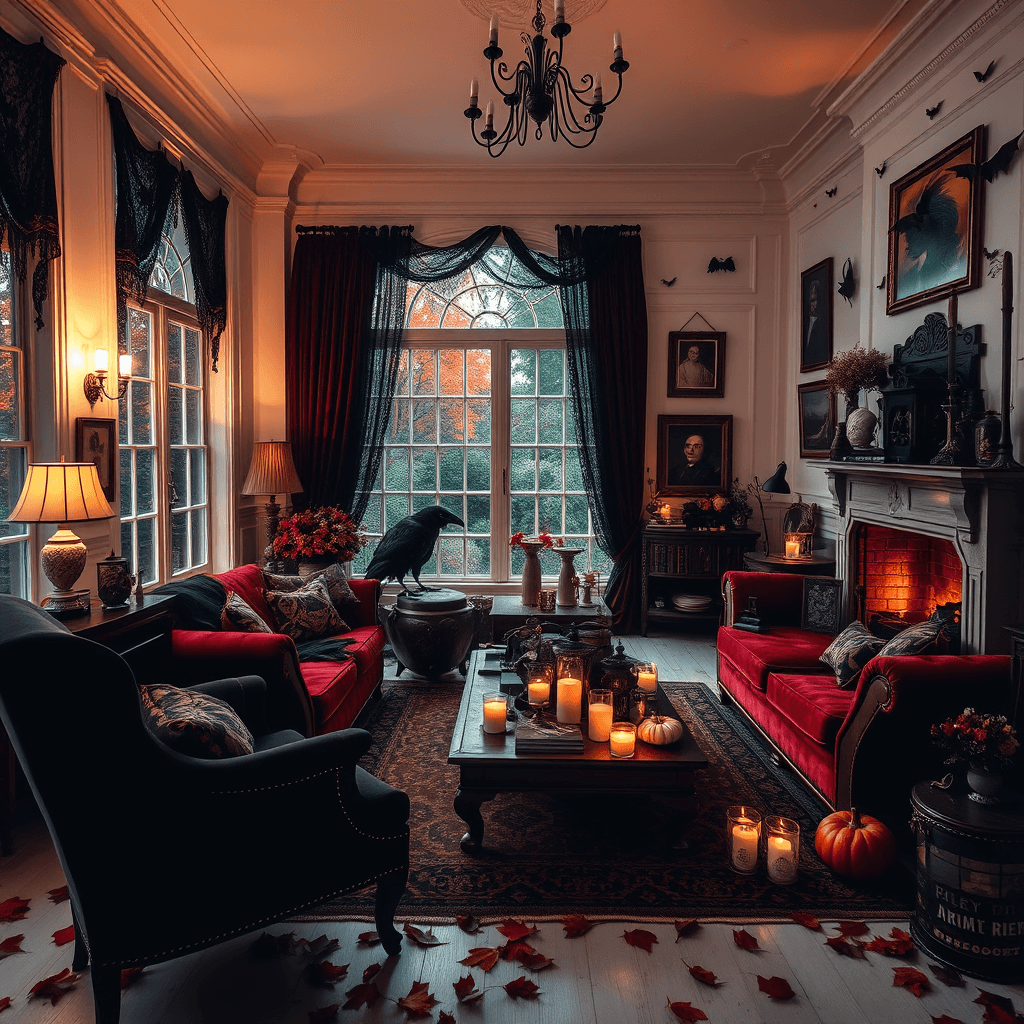
Candles are a must in any gothic living room. They bring warmth, atmosphere, and a flickering glow that enhances the romantic mood.
Use a mix of tall taper candles in candelabras, pillar candles on trays, and votives scattered across tables and mantels. Opt for black, burgundy, or deep plum candles to stay within your gothic color scheme.
Wrought iron, antique brass, and crystal candle holders all fit beautifully into this aesthetic. You can even try flameless candles with realistic flickers for a safe but equally moody option.
Layering candles of various heights and styles gives the room a soft, mesmerizing ambiance—perfect for curling up with a book or hosting a cozy evening gathering.
Wrought Iron Accents
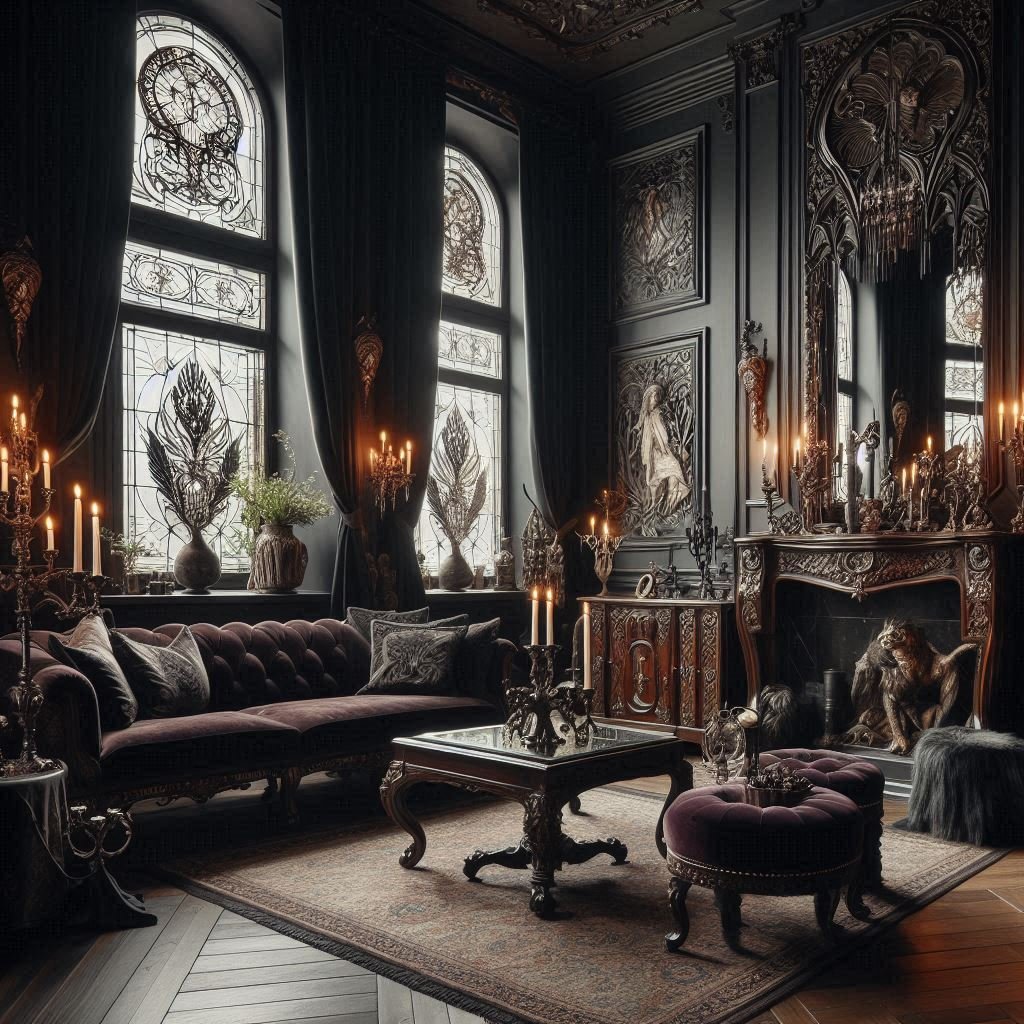
Wrought iron is a hallmark of gothic design, known for its durability, decorative detail, and timeless appeal.
You can use wrought iron in light fixtures, curtain rods, furniture legs, mirror frames, and even wall art. Its intricate curves and medieval feel make it ideal for elevating everyday items into design statements.
Incorporate a wrought iron firewood holder, a scrolling shelf bracket, or a gothic-style plant stand to introduce these elements subtly. Or go bold with a custom iron room divider or wall sculpture.
This material adds both structure and softness to a gothic room, blending industrial strength with ornate design to create a balanced and cohesive space.
Layered Textures and Patterns
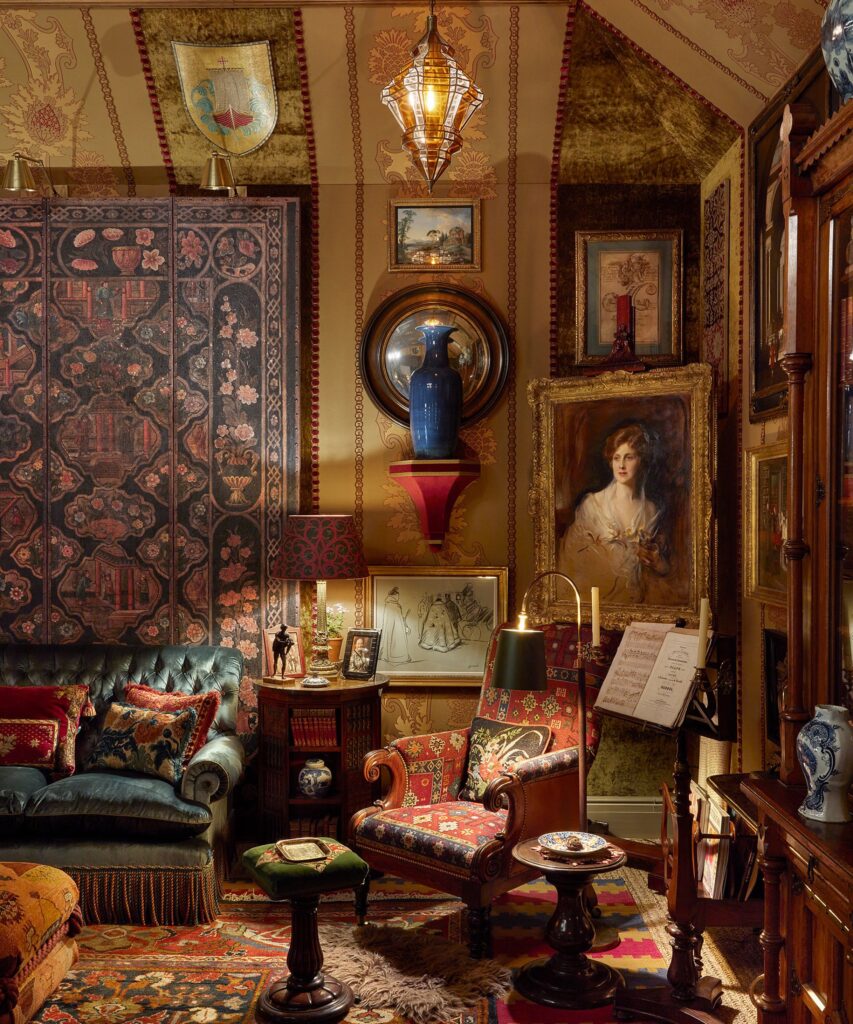
The key to a truly well-done gothic living room is thoughtful layering. Combining textures like velvet, leather, brocade, lace, and faux fur gives your space depth, warmth, and richness.
Start with larger pieces—like a velvet sofa or leather armchair—then build up with throw pillows, area rugs, wall coverings, and drapes. Mix subtle patterns (like damask or baroque scrolls) with strong solids for contrast and visual interest.
The goal is to make your living room feel collected and curated—not just dark, but luxurious and dimensional. Texture is what transforms a gothic theme from costume-y to truly livable.
Experiment with different combinations until the room feels just right. The beauty of gothic design is that there’s room for both drama and comfort, mystery and sophistication
Conclusion: Create a Living Room That Tells a Story
A gothic living room isn’t just about dark colors or vintage furniture—it’s about creating a space that tells a story. One filled with emotion, romance, mystery, and timeless charm.
Whether you’re starting from scratch or slowly transforming your space, these 19 gothic living room ideas offer plenty of inspiration. From bold paint choices and ornate lighting to antique mirrors and brooding artwork, each element plays a role in crafting an atmosphere that’s uniquely yours.
You don’t need a castle to enjoy gothic elegance—just a love for drama, detail, and design that speaks to the soul.
So go ahead, light the candles, draw the velvet curtains, and let your living room embrace its beautifully dark side.